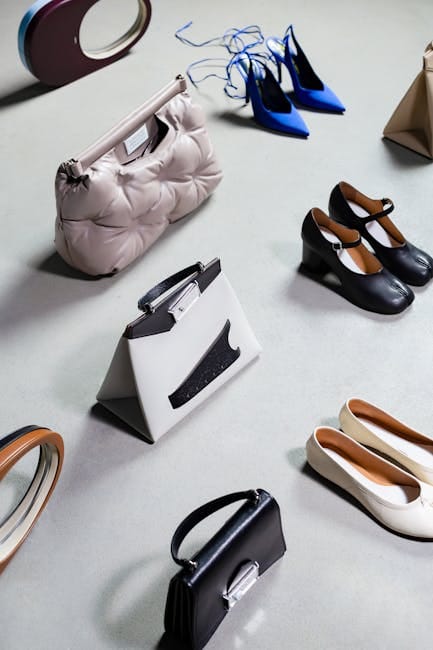
How to Start Your Own Footwear Brand: Tips from Industry Experts
Breaking into the footwear industry can be as exciting as it is challenging. Whether you have a passion for design or a keen eye for business, starting your own footwear brand requires careful planning, a dash of creativity, and a lot of perseverance. In this guide, we’ll walk you through the essential steps to start your own footwear brand, enriched with insights from industry experts. 👟✨
Table of Contents
1. Understand the Market
2. Develop a Unique Concept
3. Craft a Solid Business Plan
4. Design and Prototype
5. Find the Right Manufacturer
6. Build Your Brand
7. Effective Marketing Strategies
8. Launch and Grow
9. Conclusion
10. FAQs
Understand the Market
Before you lace up your entrepreneurial sneakers, it’s crucial to research the footwear market. This means understanding current trends, identifying your target audience, and analyzing competitors. Industry expert Sarah Lee suggests, “Look at what successful brands are doing and find a gap they haven’t filled. That’s where your opportunity lies.” 🧐
Develop a Unique Concept
Your brand needs a unique selling proposition to stand out. Whether it’s sustainable materials, innovative designs, or targeting a niche market, your concept should resonate with potential customers. Designer Tom Jenkins advises, “Be authentic to your values. If sustainability is important to you, let that drive your design and material choices.” 🌿
Craft a Solid Business Plan
A well-thought-out business plan is your roadmap to success. Include sections on market analysis, financial projections, marketing strategies, and operational plans. “A robust business plan not only helps you stay focused but also attracts potential investors,” notes financial advisor Emily Carter. 📊
Design and Prototype
This is where your vision starts to take shape. Work with a skilled designer to translate your ideas into sketches and prototypes. “Don’t rush this phase,” warns footwear designer Alex Moore. “Your prototype is the foundation of your brand. It must be perfect before moving on.” 🖌️
Find the Right Manufacturer
Choosing the right manufacturer is critical. They should align with your brand values and quality standards. Visit factories if possible, and request samples to test their work. “The right partner can make or break your product,” says production manager Linda Tran. 🏭
Build Your Brand
Your brand is more than just a logo. It’s the story, mission, and values behind your shoes. Work with a branding expert to create a compelling brand identity. “Your brand should tell a story that your customers want to be a part of,” shares branding guru Mark Stevens. 📢
Effective Marketing Strategies
Leverage social media, influencer partnerships, and digital marketing to reach your audience. Consider launching a crowdfunding campaign to generate buzz. “Engage with your community authentically, and they’ll become your best advocates,” advises digital marketer Jen Armstrong. 📱
Launch and Grow
With everything in place, it’s time to launch! Use a mix of online and offline channels to maximize reach. Post-launch, continue to innovate and respond to customer feedback. “Growth requires adaptability and listening to your customers,” emphasizes growth strategist Paul Richards. 🚀
Conclusion
Starting your own footwear brand is a journey filled with challenges and rewards. By understanding the market, crafting a unique concept, and building a strong brand, you can carve out your niche in this competitive industry. Remember, success doesn’t happen overnight, but with persistence and the right strategies, your brand can make a footprint in the world of fashion. 👟
FAQs
Q: How much capital do I need to start a footwear brand?
A: The amount varies depending on the scale of your business, but having a detailed business plan can help estimate initial costs. Typically, you might need anywhere from $50,000 to $150,000 to cover design, prototyping, manufacturing, and marketing.
Q: What is the most important factor in choosing a manufacturer?
A: Quality control and alignment with your brand’s values are crucial. It’s also important to have clear communication and ensure they can scale production as your brand grows.
Q: How can I differentiate my brand in a crowded market?
A: Focus on your unique selling proposition, whether it’s an innovative design, superior quality, or a story that resonates with your audience. Authentic branding and effective marketing will also set you apart.