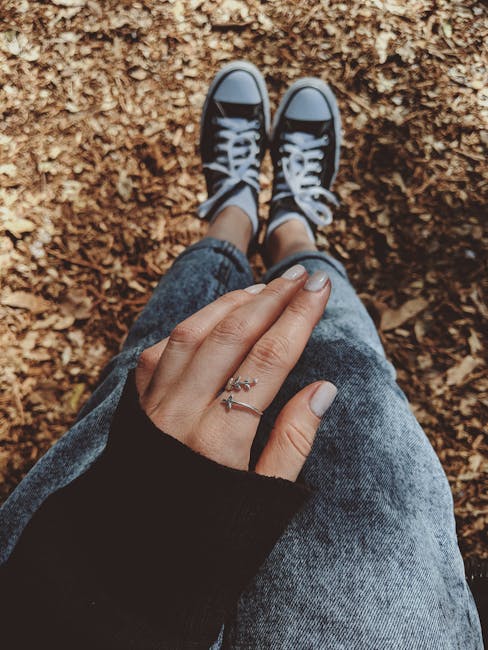
How to Identify Quality Footwear: What to Look For
Finding the perfect pair of shoes is like searching for a needle in a haystack. With countless options available, how do you ensure you’re choosing footwear that not only looks good but also stands the test of time? In this guide, we’ll walk you through the essential features to look for when identifying quality footwear. Whether you’re a sneakerhead or a lover of classic loafers, these tips will help you make informed decisions that keep your feet happy. 🥿👟
Table of Contents
2. Craftsmanship and Stitching
7. Conclusion
8. FAQs
Material Matters
When it comes to footwear, the material is a critical factor in determining quality. Leather, for instance, is a classic choice known for its durability and ability to mold to the shape of your foot over time. Look for full-grain leather, which is the highest quality, offering excellent breathability and longevity. If you’re opting for synthetic materials, ensure they are high-grade and resistant to wear and tear.
Another material to consider is suede, which offers a soft texture and stylish appeal. However, it requires more maintenance than leather. For those seeking eco-friendly options, consider shoes made from recycled materials or sustainable sources.
Craftsmanship and Stitching
Pay close attention to the craftsmanship of the shoe. Quality footwear often features meticulous stitching that is not only aesthetically pleasing but also functional. Look for shoes with double or triple stitching, as these are less likely to unravel over time. Check the seams for consistency and ensure there are no loose threads.
Handmade shoes often showcase superior craftsmanship compared to mass-produced options. If possible, invest in footwear from brands known for their artisanal techniques, as these are typically crafted with more care and attention to detail.
Sole and Heel Construction
The sole is the foundation of any shoe, and its construction is paramount in determining quality. A well-made sole provides support and durability. Look for shoes with a stitched or Goodyear welted sole, which attaches the upper to the sole securely, allowing for resoling when necessary.
Consider the material of the sole as well. Rubber soles offer excellent grip and flexibility, making them ideal for everyday wear. Leather soles, on the other hand, provide a formal touch and can be more breathable.
Comfort and Fit
No matter how stylish, a shoe that doesn’t fit well won’t serve you in the long run. Always try on footwear at the end of the day when your feet are slightly swollen to ensure a comfortable fit. Check if the shoe provides adequate arch support and cushioning.
Consider the toe box space—your toes should have enough room to move freely. If buying online, read reviews regarding the shoe’s fit and consult sizing charts to avoid any mishaps.
Brand Reputation
While lesser-known brands can offer quality products, opting for a reputable brand often assures a certain standard of quality. Established brands have a reputation to maintain and usually offer better customer service and guarantees.
Research the brand’s history and customer reviews. A brand that stands behind its products with solid warranties and return policies is often a safe bet.
Care and Maintenance
Even the highest quality footwear requires proper care to maintain its appearance and functionality. Regular cleaning, conditioning, and polishing can extend the life of your shoes significantly. Follow the manufacturer’s recommendations for care and invest in quality shoe care products.
For leather shoes, use a good leather conditioner, and for suede, a protective spray can help prevent stains. Proper storage in a cool, dry place also helps preserve your shoes.
Conclusion
Identifying quality footwear involves a keen eye for material, craftsmanship, and brand reputation, combined with an understanding of your personal comfort needs. By considering these factors, you can ensure that your next shoe purchase is a wise investment for both your style and comfort. Remember, good shoes take you to good places! 👞👠
FAQs
Q: How often should I replace my shoes?
A: It depends on the wear and tear. On average, replace everyday shoes every 8-12 months or when you notice significant wear on the soles or discomfort.
Q: Are expensive shoes always better quality?
A: Not necessarily. While price can be an indicator of quality, it’s important to assess the materials, craftsmanship, and fit for yourself.
Q: Can I repair my shoes to extend their life?
A: Yes, many high-quality shoes can be resoled or repaired by a cobbler, which can significantly extend their lifespan.
By following these guidelines, you’ll be well-equipped to find footwear that matches your lifestyle, ensuring both comfort and durability with every step you take. 🚶♀️🚶♂️