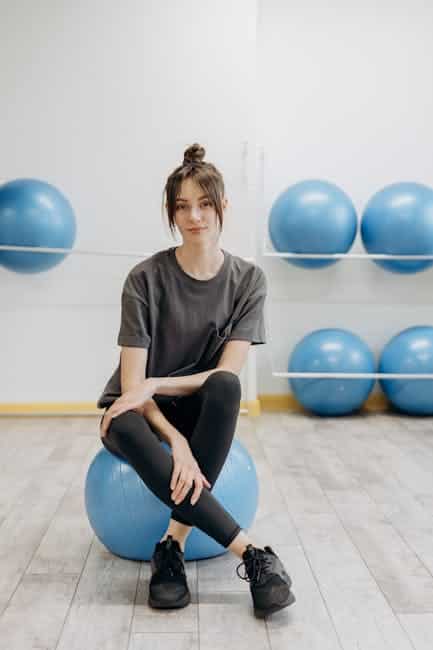
The Best Footwear for Yoga and Pilates: Step Up Your Practice
When it comes to yoga and Pilates, many practitioners prefer to go barefoot. However, the right footwear can enhance your practice, offering better grip, support, and hygiene. Let’s dive into the world of yoga and Pilates footwear to find what suits your needs best.
Table of Contents
1. Introduction
2. Why Footwear is Important
3. Types of Footwear for Yoga and Pilates
4. How to Choose the Right Footwear
5. Conclusion
6. FAQs
Introduction
Yoga and Pilates are practices that emphasize flow, balance, and connection with your body. While traditionalists often advocate for barefoot practice, the modern-day studio or home environment might require a bit more protection and support. Whether you’re a seasoned yogi or a Pilates enthusiast, finding the right footwear can greatly enhance your experience. 🤸♀️
Why Footwear is Important
Footwear is not just about style; it plays a crucial role in your performance and safety during workouts. Here’s why investing in good footwear is essential:
1. Hygiene: Public studios can harbor bacteria and fungi. Wearing footwear can help protect your feet from infections.
2. Support: Proper footwear provides the necessary arch and heel support, reducing the risk of injuries.
3. Grip: Footwear designed for yoga and Pilates offers excellent grip on the mat, preventing slips and falls.
4. Comfort: Some people find that a little cushioning can make a big difference during long sessions.
Types of Footwear for Yoga and Pilates
There are several types of footwear that cater to the needs of yoga and Pilates practitioners. Let’s explore the most popular options:
1. Yoga Socks
Yoga socks are a popular choice for those who want to maintain the barefoot feel while gaining added grip. These socks often come with anti-slip patterns on the soles and are made from breathable materials to keep your feet dry. 🧦
2. Pilates Shoes
Pilates shoes are lightweight and flexible, providing a snug fit that moves with your foot. They typically feature rubber soles for enhanced grip and a soft upper for comfort.
3. Toe Shoes
Also known as minimalist shoes, toe shoes mimic the natural shape of your foot, allowing individual toe movement. They offer a barefoot feel with a bit of protection and support.
4. Barefoot Shoes
These shoes are designed to mimic the experience of being barefoot while providing a barrier against the ground. They are ideal for those who like the natural feel but want some protection.
How to Choose the Right Footwear
Choosing the right footwear for yoga and Pilates can be a game-changer for your practice. Here are some tips to help you make the right choice:
Consider Your Practice Environment
Are you practicing in a studio, at home, or outdoors? Each environment may require different levels of protection and grip.
Think About Your Needs
Do you need extra arch support, or are you more concerned about grip? Understanding your priorities will guide your choice.
Material Matters
Opt for breathable, moisture-wicking materials to keep your feet comfortable and dry during workouts.
Try Before You Buy
If possible, try different types of footwear to see what feels best during your practice. Comfort and fit are key!
Conclusion
While traditional methods emphasize the importance of barefoot practice, modern yoga and Pilates enthusiasts have a range of footwear options that can enhance their experience. From yoga socks to toe shoes, the right footwear can provide the grip, support, and hygiene your practice deserves. Remember, the best choice is one that aligns with your personal preferences and practice needs. Happy practicing! 🌟
FAQs
Q: Can I wear regular socks for yoga or Pilates?
A: Regular socks might not provide the grip needed for yoga or Pilates. It’s better to use specialized yoga socks with anti-slip patterns.
Q: Are barefoot shoes truly beneficial for yoga?
A: Yes, barefoot shoes can offer a natural feel while still providing some protection and grip. They can be a good option for those who prefer minimal footwear.
Q: Should I invest in expensive footwear for yoga or Pilates?
A: While quality is important, you don’t necessarily have to buy the most expensive option. Focus on finding footwear that offers comfort, support, and functionality for your practice.