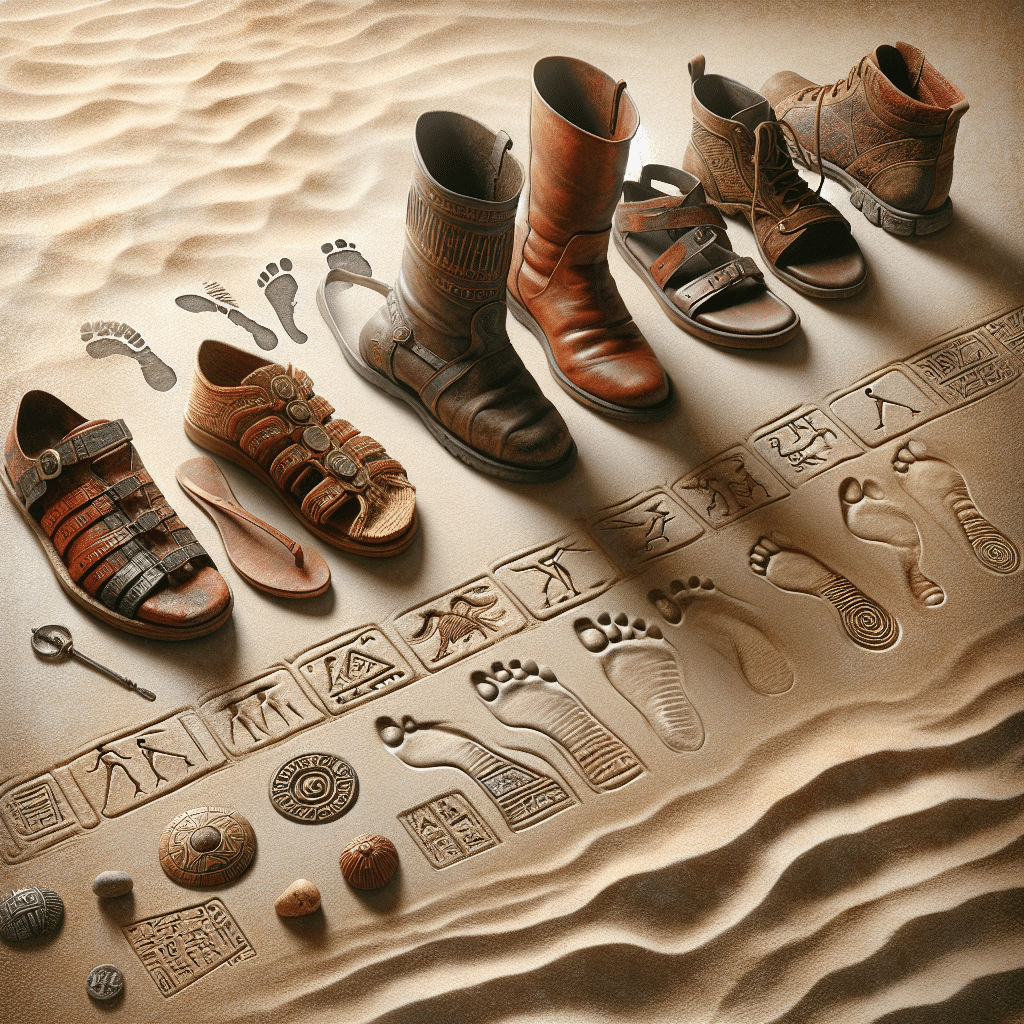
Exploring the Footwear of Ancient Civilizations
Welcome to a fascinating journey through time as we delve into the world of ancient footwear. From the sandals of Egypt to the moccasins of Native Americans, let’s explore how shoes have evolved and what they tell us about the cultures that wore them. 🏺👡
Table of Contents
1. Introduction
2. The Sandals of Ancient Egypt
3. Roman Footwear: More than Just Sandals
4. The Moccasins of Indigenous Peoples
5. Chinese Foot Binding: A Cultural Practice
6. Conclusion
7. FAQs
The Sandals of Ancient Egypt
Ancient Egypt is perhaps best known for its pyramids and pharaohs, but did you know that their footwear was equally iconic? Egyptians primarily wore sandals made from palm leaves and papyrus, materials that were abundant along the Nile River. These sandals were not just practical; they were often beautifully decorated with intricate designs, signifying the wearer’s status. Fascinatingly, some of these ancient sandals have been found in tombs, suggesting they were believed necessary for the afterlife. 🏜️
Roman Footwear: More than Just Sandals
When we think of Ancient Rome, gladiator sandals might come to mind. However, Roman footwear was incredibly varied. Citizens of Rome wore caligae, a type of military sandal, but they also had elaborate shoes made from leather, known as calcei, which were worn by senators and officials. These shoes often had an ornamental design and were dyed in different colors, an indicator of one’s wealth and social standing. The Romans were indeed pioneers in footwear, setting trends that would influence shoe design for centuries. 🏛️
The Moccasins of Indigenous Peoples
Traveling across the ocean to North America, we find the moccasins worn by Native American tribes. These shoes were crafted from soft leather, usually deer or buffalo hide, and were designed to provide comfort and flexibility. The beauty of moccasins lies in their adaptability; different tribes had unique designs, often incorporating beads and quills to reflect their cultural heritage. These shoes were perfect for traversing the diverse terrains of the continent, from forests to plains. 🌲
Chinese Foot Binding: A Cultural Practice
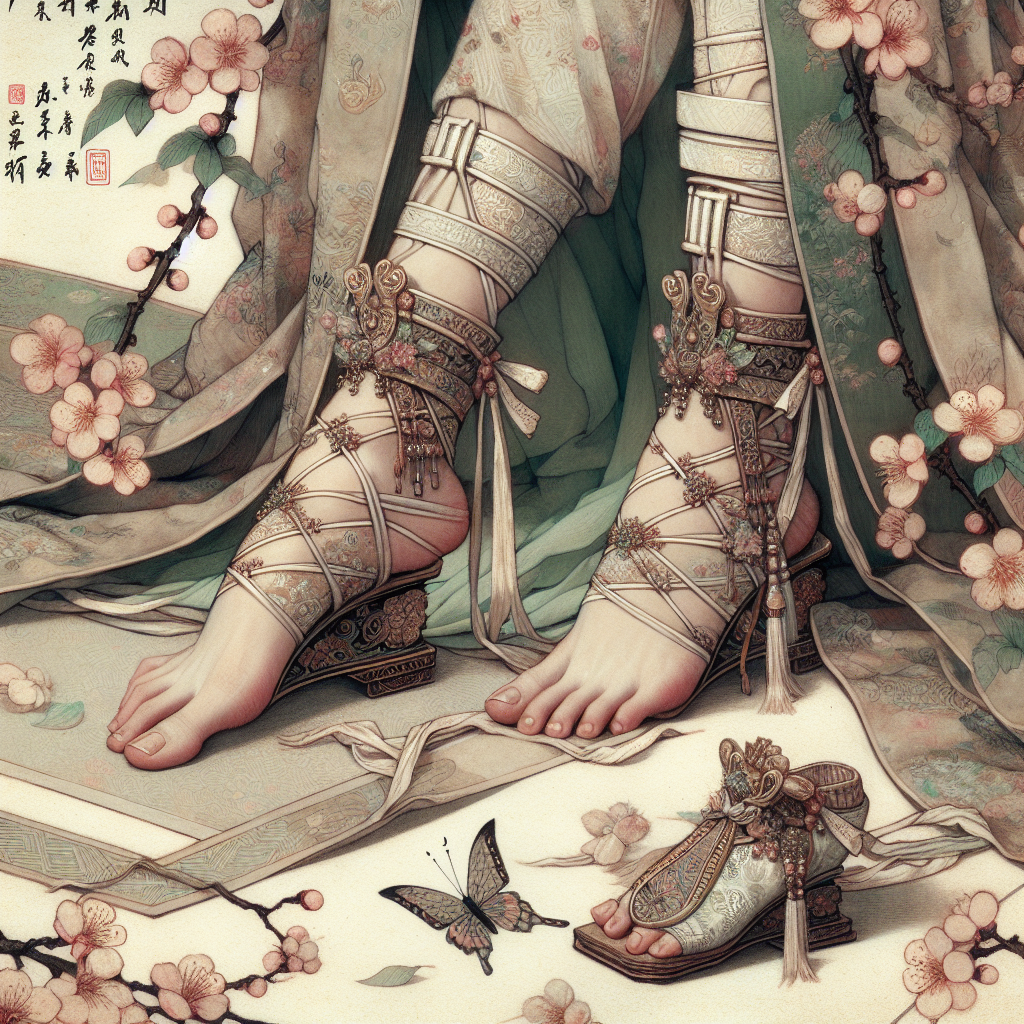
In stark contrast to the practical designs of other ancient civilizations, Chinese foot binding was a unique cultural practice that lasted for about a thousand years. This tradition involved tightly binding young girls’ feet to alter their shape, as small feet were considered a mark of beauty and status. Although this practice has been criticized for its painful and restrictive nature, it remains an important part of Chinese history, reflecting the societal values and aesthetics of the time. 🌸
Conclusion
As we’ve journeyed through the ages, it’s clear that footwear is more than just a necessity; it’s a reflection of culture, status, and identity. From the functional designs of Egyptian sandals to the ornate Roman calcei and culturally significant moccasins, each shoe tells a story about the people who wore them. These ancient shoes remind us that even the most everyday items carry rich histories and cultural significance. 🕰️
FAQs
Q: Why did ancient Egyptians use palm leaves for sandals?
A: Palm leaves were readily available and easy to weave into durable sandals, making them a practical choice for the dry, hot climate of Egypt.
Q: Were Roman sandals comfortable?
A: While functional, Roman sandals like the caligae were designed for durability in military settings, which may not have prioritized comfort as much as modern shoes do.
Q: How did moccasins benefit Native Americans?
A: Moccasins offered flexibility and comfort, perfect for the varied landscapes of North America, and allowed for silent movement, which was advantageous for hunting.
Q: Is foot binding still practiced in China?
A: Foot binding was largely abolished in the early 20th century, and it is no longer practiced today.
Thank you for joining us on this historical exploration of ancient footwear! If you have more questions, feel free to leave a comment below. 👟📜