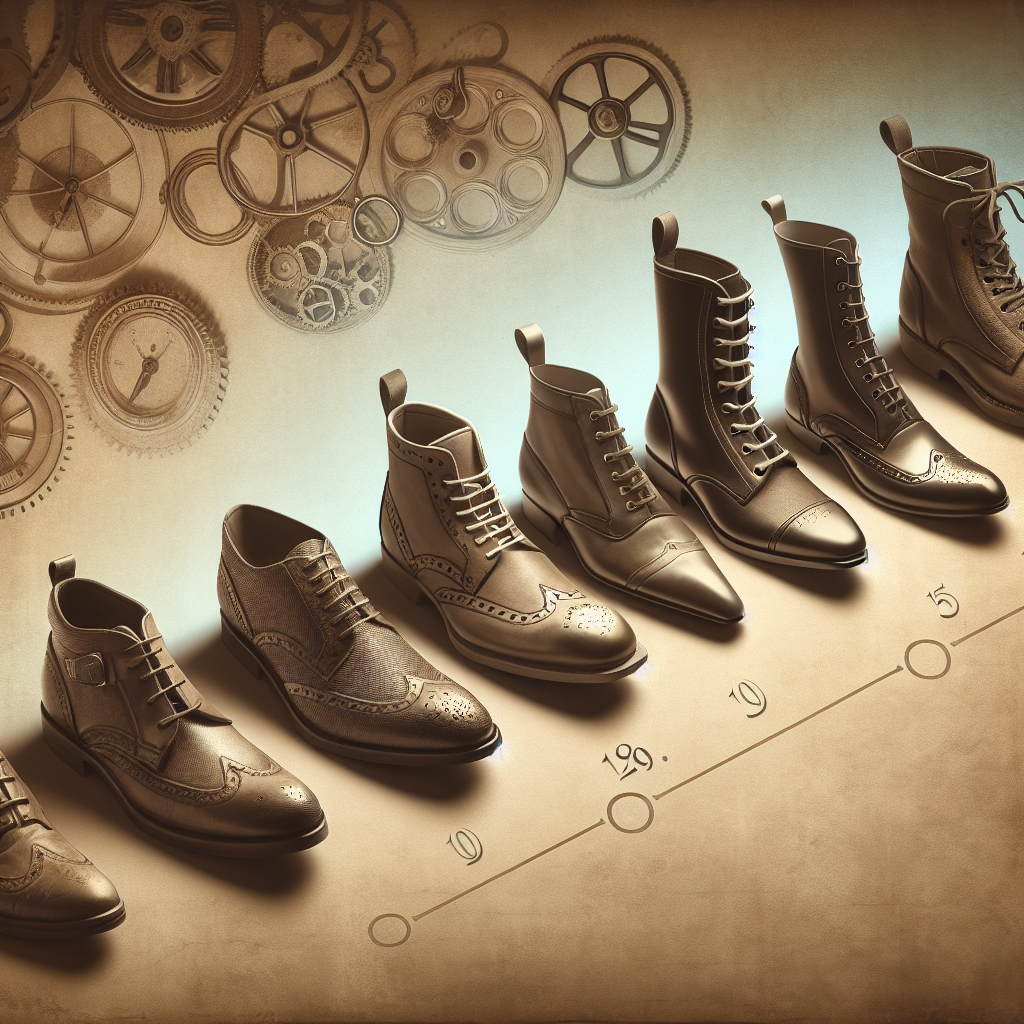
The Evolution of Formal Footwear: From Past to Present
Footwear has always been a significant reflection of cultural and societal changes. From the intricate designs of centuries past to the sleek styles of today, formal footwear has undergone remarkable transformations. Join us as we step through history to explore the evolution of formal footwear, examining how fashion, functionality, and craftsmanship have shaped what we wear on our feet today.
Table of Contents
1. The Origins of Formal Footwear
2. Renaissance to Rococo: The Flourish of Footwear
3. The Industrial Revolution: A Shift in Shoe Making
4. Modern Times: The Balance of Style and Comfort
5. The Future of Formal Footwear
6. Conclusion
7. FAQs
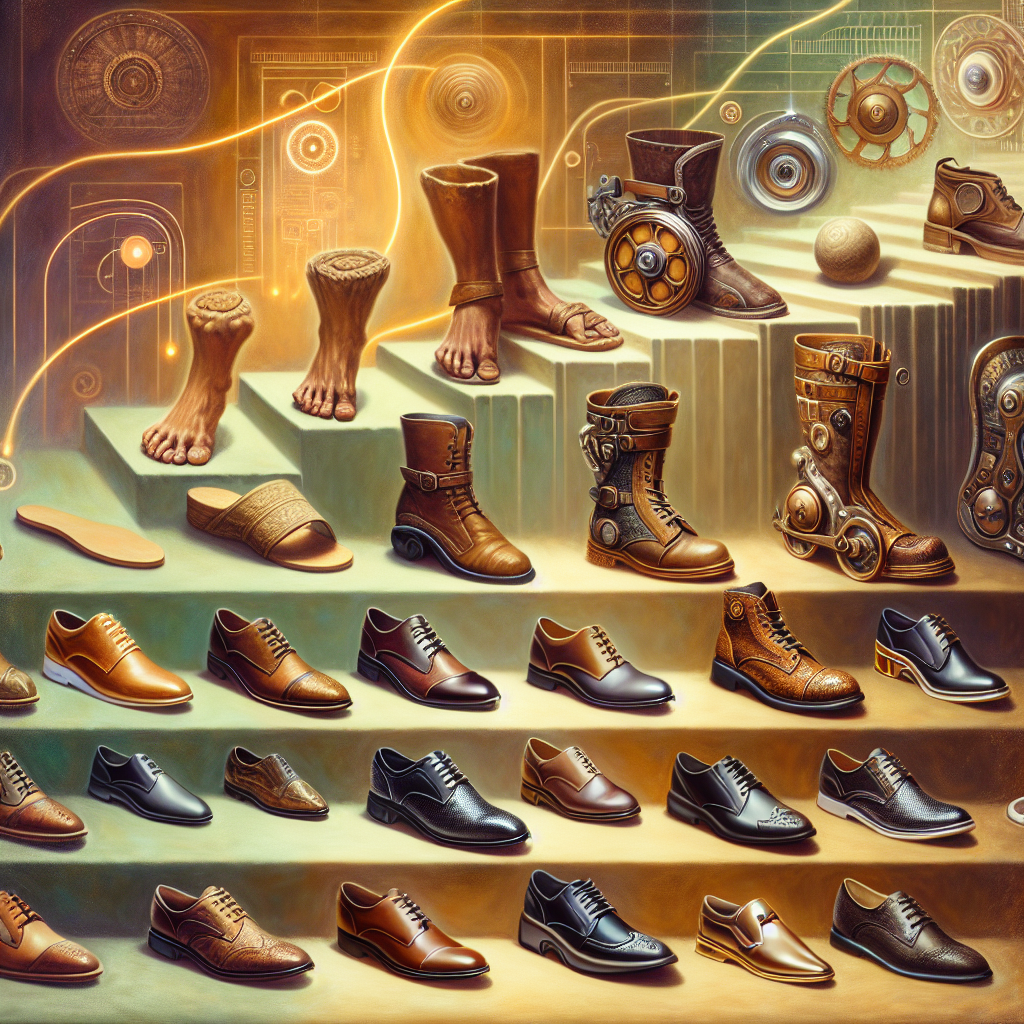
The Origins of Formal Footwear
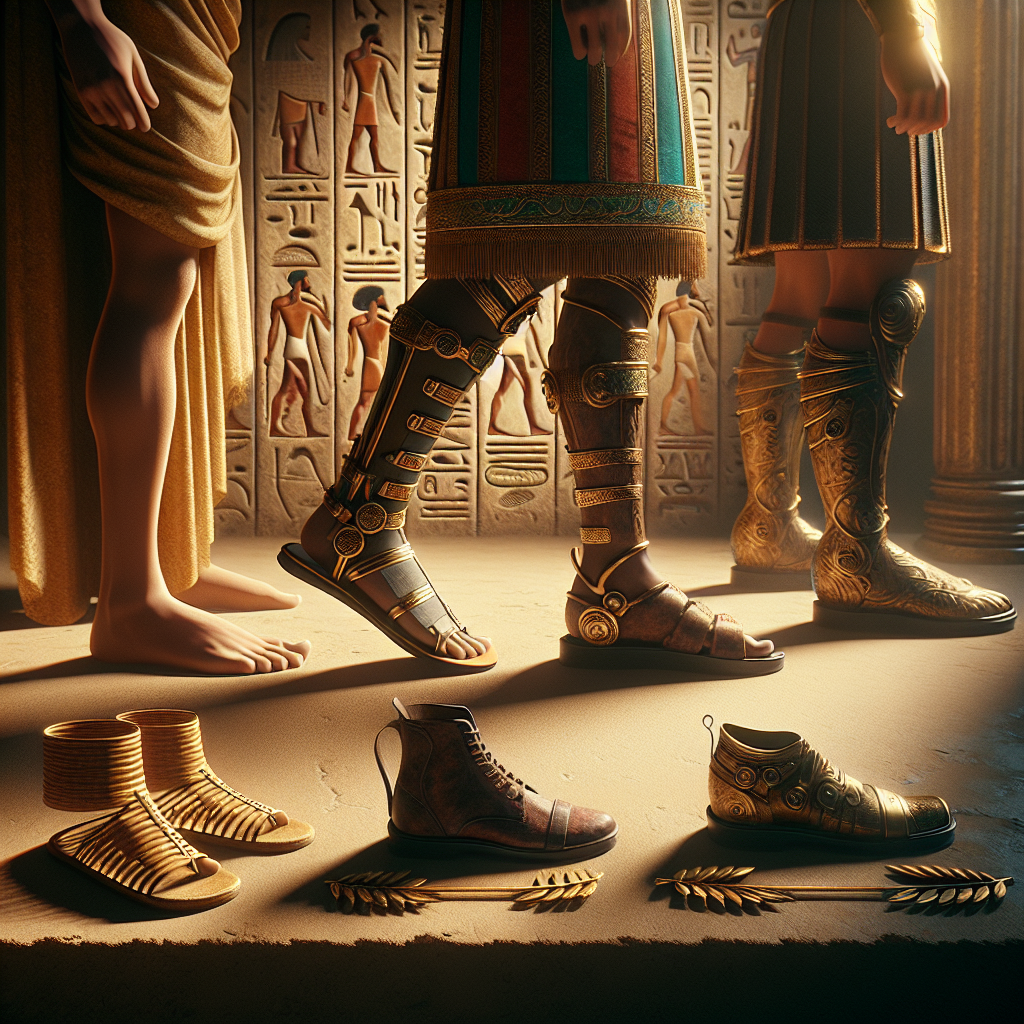
Formal footwear dates back to ancient civilizations where shoes were more than mere protection for the feet; they were symbols of status and power. In ancient Egypt, sandals made from papyrus and leather were worn by the elite, showcasing their wealth. Fast forward to the Roman Empire, and we see the introduction of the caligae, a type of military boot that signified strength and dominance.
As societies evolved, so did their footwear. The Middle Ages brought about the poulaine, a long pointed shoe that was as much a fashion statement as it was a practical piece of attire. The length of the point was often an indicator of the wearer’s social standing, with longer points reserved for the nobility.
Renaissance to Rococo: The Flourish of Footwear
The Renaissance marked a significant turning point in the design of formal footwear. Shoes became more elaborate with the use of luxurious materials such as velvet and silk. The introduction of buckles and ribbons added an element of sophistication and flair.
During the Rococo period, footwear became an art form. Shoes were adorned with intricate embroidery, jewels, and even miniature paintings. This was an era where the opulence of one’s footwear often reflected their social status. The high heel, famously popularized by figures like King Louis XIV of France, became a staple in formal footwear for both men and women. 👠
The Industrial Revolution: A Shift in Shoe Making
The Industrial Revolution brought about a seismic shift in the production of footwear. With advances in machinery, shoes could now be mass-produced, making formal footwear more accessible to the masses. This era also saw the rise of standardized sizing, which revolutionized the way people purchased shoes.
The Victorian era further influenced formal footwear with the introduction of the ankle boot and the Oxford shoe. These styles emphasized practicality and elegance, setting a standard for formal footwear that continues to influence designs today.
Modern Times: The Balance of Style and Comfort
In today’s world, formal footwear is defined by a delicate balance between style and comfort. The introduction of materials like leather and synthetic blends has allowed for more comfortable and durable shoes. Designers now focus on creating footwear that complements both modern and traditional attire.
The advent of the digital age has also impacted the way we view and purchase shoes. With online platforms and global shipping, consumers have access to an unprecedented variety of styles and brands, making it easier than ever to find the perfect pair.
The Future of Formal Footwear
As we look to the future, sustainability and innovation are poised to lead the charge in footwear design. Brands are exploring eco-friendly materials and ethical production methods to reduce environmental impact. Additionally, technological advancements such as 3D printing and customization options promise to revolutionize how we wear and perceive formal footwear.
While classic styles will always have their place, the future of formal footwear is undoubtedly set to be more diverse and inclusive than ever before. 🌟
Conclusion
The journey of formal footwear from ancient times to the present day is a testament to the ever-changing nature of fashion and functionality. As we continue to innovate and adapt, one thing remains constant: our enduring love for shoes that make a statement. Whether you’re donning a pair of sleek Oxfords or elegant high heels, remember that each step you take is part of a long tradition of style and craftsmanship.
FAQs
What is the oldest type of formal footwear?
The oldest type of formal footwear can be traced back to ancient Egypt, where sandals made from papyrus and leather were worn by the elite.
What role did the Industrial Revolution play in footwear design?
The Industrial Revolution allowed for mass production and standardized sizing of footwear, making formal shoes more accessible and affordable for the general public.
How is technology influencing the future of formal footwear?
Technology is driving innovation in materials and production methods, including the use of 3D printing and customization options to create more sustainable and personalized footwear.
With each pair of shoes we wear, we continue to walk through the rich history of formal footwear, embracing the past while stepping boldly into the future. 👞👡