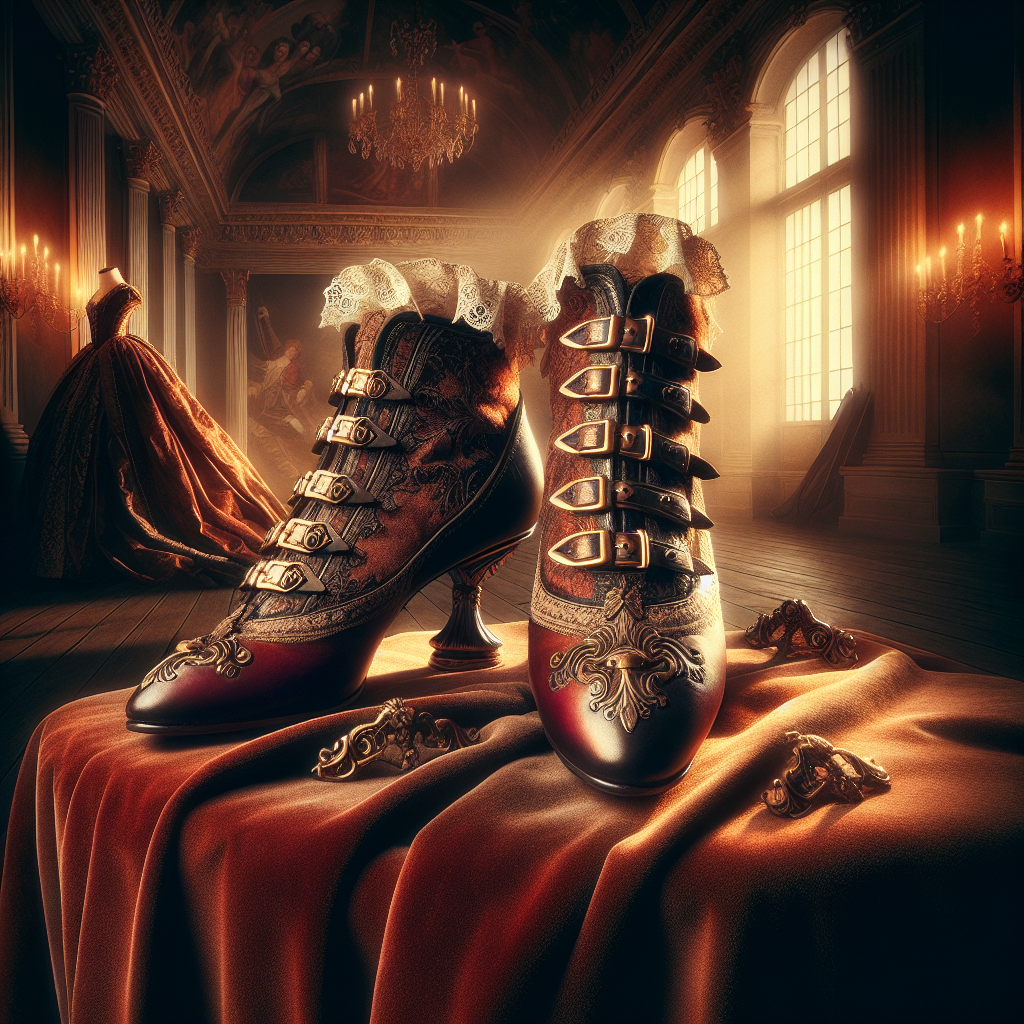
Exploring the Footwear of the Baroque Period: A Journey Through Ornate Elegance 👠
The Baroque period, spanning from the late 16th century to the early 18th century, was an era marked by opulence, grandeur, and artistic expression that left a lasting impact on art, music, architecture, and fashion. One intriguing aspect of Baroque fashion is its footwear, which not only reflects the aesthetic values of the time but also offers a glimpse into the social and cultural dynamics of the era. In this blog post, we’ll delve into the fascinating world of Baroque footwear, exploring its design, significance, and evolution.
Table of Contents
1. Introduction to Baroque Footwear
2. The Design Elements of Baroque Shoes
3. Symbolism and Social Status
4. Evolution of Baroque Footwear
5. Conclusion
6. FAQs
Introduction to Baroque Footwear
The Baroque period was characterized by dramatic expressions and elaborate details, and these features were evident in the footwear of the time. Shoes were not merely functional; they were an essential part of the fashion statement, showcasing the wearer’s wealth, status, and taste. From the intricate embroidery to the use of luxurious materials, Baroque shoes were masterpieces of craftsmanship.
The Design Elements of Baroque Shoes
Baroque footwear was distinguished by its rich designs and embellishments. Here are some of the key design elements that made these shoes stand out:
1. Luxurious Materials: The shoes of the Baroque era were crafted from the finest materials, including silk, velvet, and brocade. These materials were often adorned with gold and silver thread embroidery, adding a touch of luxury and elegance.
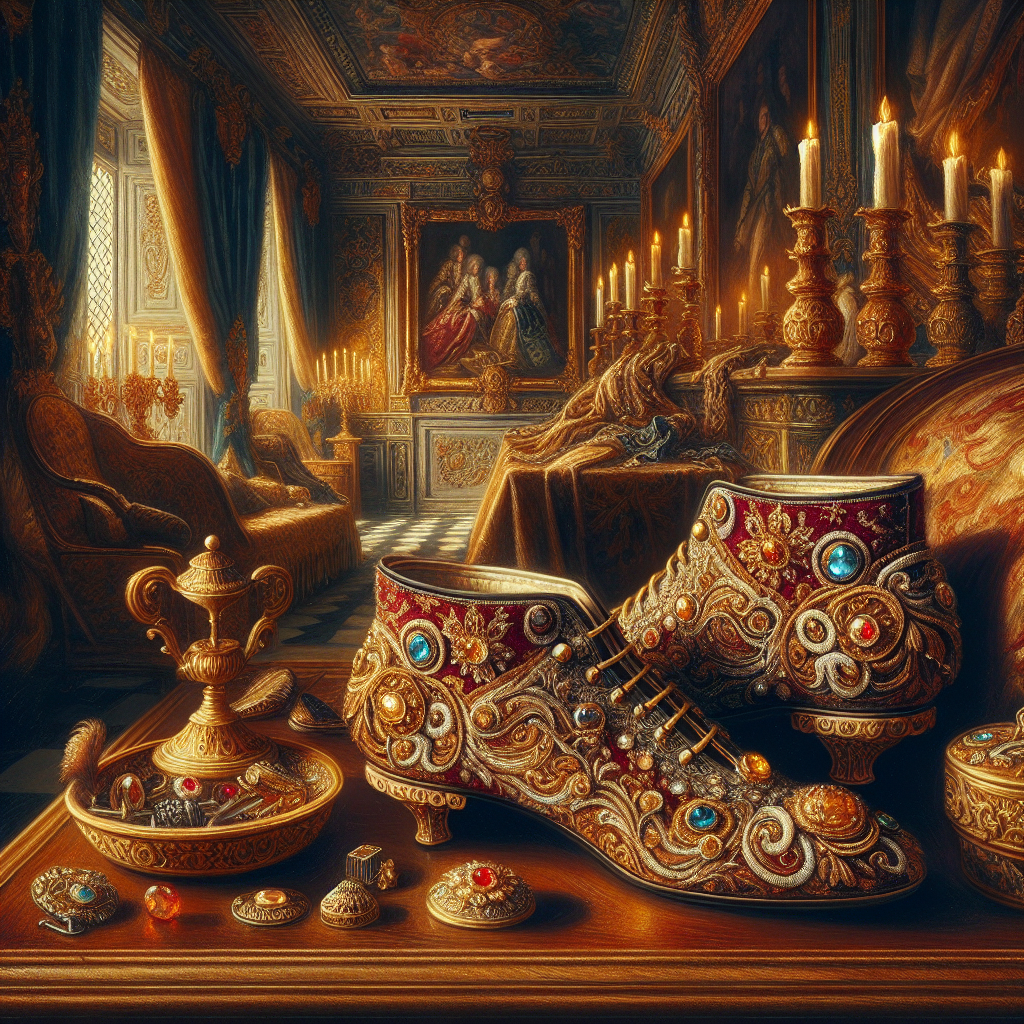
2. Ornate Heels: The heels of Baroque shoes were a focal point of design. Often crafted from wood and covered in leather or fabric, they were sculpted into intricate shapes and decorated with elaborate carvings.
3. Decorative Buckles and Ribbons: Shoes were often fastened with large, decorative buckles made from precious metals and sometimes adorned with gemstones. Ribbons were also a common feature, adding both functionality and flair.
Symbolism and Social Status
In the Baroque period, footwear was more than just a means of protection and comfort; it was a symbol of social status and identity. The elaborate designs and costly materials used in shoe-making were indicative of the wearer’s position in society. High heels, in particular, were associated with the aristocracy and were a sign of power and influence. The higher and more decorated the heel, the more prestigious the wearer.
The colors and motifs used in shoe designs also carried symbolic meanings. For instance, red heels were popular among the nobility and were often worn by those who wished to display their connection to royalty.
Evolution of Baroque Footwear
As the Baroque period progressed, so did the styles and designs of footwear. Early Baroque shoes were relatively modest in comparison to the later, more extravagant designs. Over time, heels became taller and more pronounced, reflecting the increasing emphasis on theatricality and drama in fashion.
Men’s and women’s shoes, although similar in many ways, began to diverge in design. Men’s shoes were often sturdier with square toes and lower heels, while women’s shoes featured more delicate and rounded shapes with higher, more ornate heels.
By the end of the Baroque period, these shoes had set the stage for the fashion trends of the Rococo era, which would continue to celebrate the opulence and creativity that defined Baroque fashion.
Conclusion
The footwear of the Baroque period is a fascinating reflection of the era’s artistic and cultural pursuits. These shoes, with their intricate designs and luxurious materials, not only provided insight into the fashion preferences of the time but also served as symbols of identity and social standing. As we explore the history of fashion, the shoes of the Baroque period remind us of the enduring power of style to convey meaning and express individuality.
FAQs
Q: What materials were commonly used in Baroque footwear?
A: Baroque shoes were often made from luxurious materials such as silk, velvet, and brocade, and featured embellishments like gold and silver thread embroidery.
Q: How did Baroque footwear symbolize social status?
A: The costly materials, intricate designs, and elaborate heels of Baroque shoes served as indicators of wealth and social standing. High heels, in particular, were associated with the aristocracy.
Q: How did men’s and women’s shoes differ during the Baroque period?
A: Men’s shoes were typically sturdier with square toes and lower heels, while women’s shoes had more delicate, rounded shapes and higher, more ornate heels.
As we conclude our journey through the footwear of the Baroque period, we are reminded of the rich tapestry of history woven into every stitch and embellishment. Whether you are a fashion enthusiast or a history buff, the shoes of the Baroque era offer a captivating glimpse into a world where style and status walked hand in hand. 👞👡