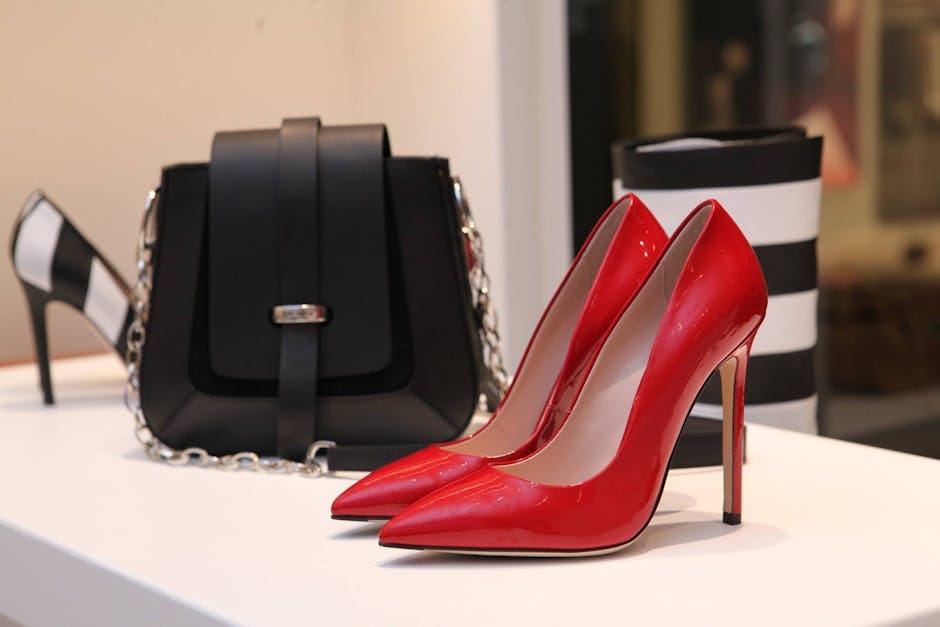
Shoes. We wear them every day, yet we often don't give them much thought beyond style. The right pair of shoes can make or break an outfit, and more importantly, they can significantly impact our comfort and foot health. From casual sneakers to elegant heels, understanding the different types of shoes and their purposes can help you make informed decisions for your footwear needs.
Let's start with the everyday essentials: sneakers. Sneakers are versatile and comfortable, perfect for running errands, hitting the gym, or simply taking a stroll in the park. Look for breathable materials and good arch support for maximum comfort. Consider investing in different types of sneakers for specific activities, such as running shoes for workouts and more stylish sneakers for casual outings.
For more formal occasions, dress shoes are a must-have. Leather oxfords, loafers, and brogues are classic choices for men, while heels, pumps, and elegant flats are popular options for women. When choosing dress shoes, prioritize quality and comfort, as you'll likely be wearing them for extended periods.
Boots are another versatile footwear option, offering both style and practicality. Ankle boots can be dressed up or down, while knee-high and over-the-knee boots provide extra warmth and protection during colder months. Consider the material, heel height, and overall design when selecting boots to ensure they fit your needs and personal style.
Sandals are a summer staple, offering breathability and comfort in warm weather. From flip-flops for the beach to strappy sandals for a night out, there's a sandal style for every occasion. Look for comfortable footbeds and adjustable straps for a secure and comfortable fit.
Beyond these basic categories, there are numerous specialized shoe types for specific activities. Hiking boots offer ankle support and durable soles for traversing rugged terrain, while athletic shoes provide cushioning and stability for various sports. Work shoes often prioritize safety features, such as steel toes and slip-resistant soles.
Choosing the right shoes involves more than just picking a stylish design. Consider your foot type, arch height, and any specific foot conditions you may have. Properly fitted shoes should provide adequate support and cushioning without feeling too tight or too loose.
Ultimately, the best shoes for you depend on your individual needs and preferences. By understanding the different types of shoes available and prioritizing comfort and functionality, you can build a shoe collection that caters to every occasion and keeps your feet happy and healthy.