Exploring the Footwear of Famous Explorers: Step into History
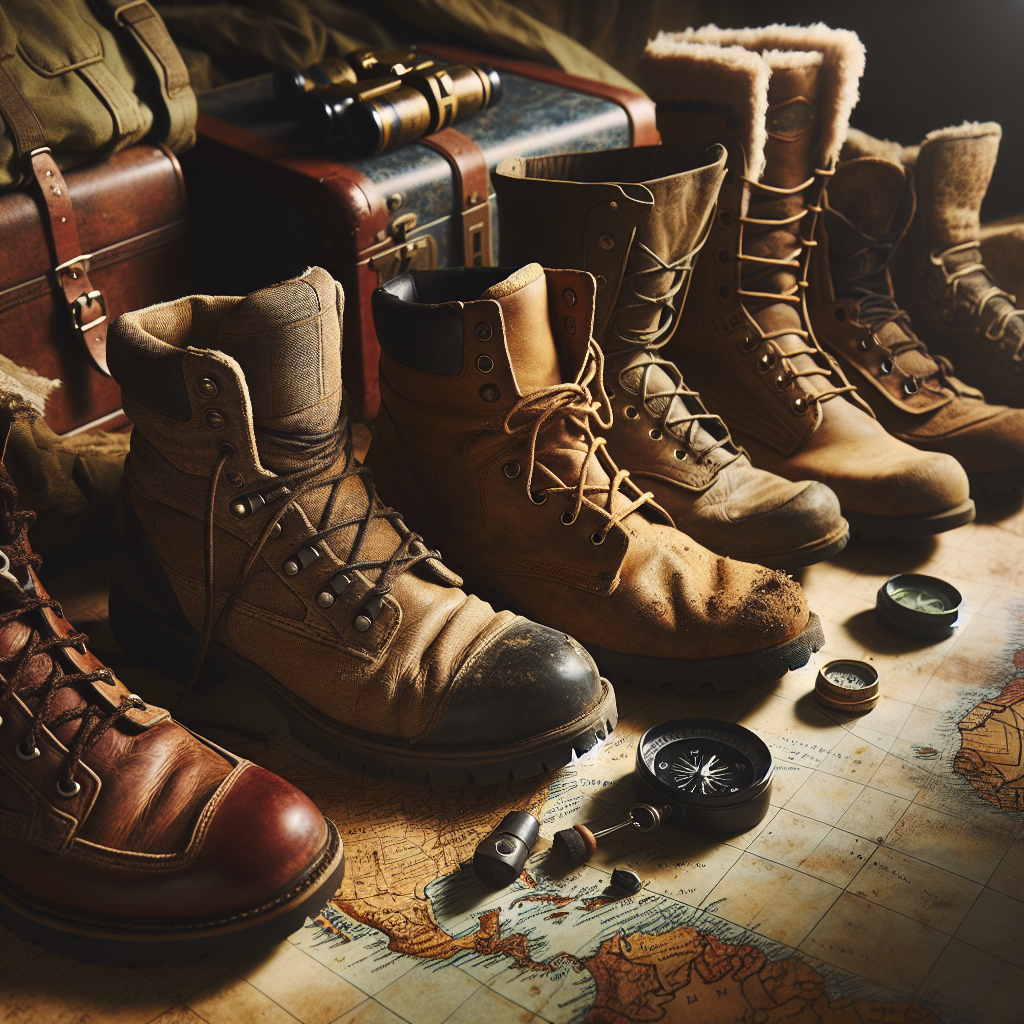
When we think of explorers, we often imagine vast landscapes, uncharted territories, and daring adventures. But have you ever wondered about the footwear that carried these intrepid individuals across rough terrains and through harsh climates? In this blog post, we’ll delve into the fascinating world of explorer footwear, revealing how these crucial items played a role in history’s greatest journeys. 👢
Table of Contents
1. Introduction
2. The Footwear of Early Explorers
3. Age of Exploration
4. Modern Explorers and Their Footwear
5. Conclusion
6. FAQs
Introduction
The journeys of famous explorers have always captured our imagination. From the icy tundras trekked by Ernest Shackleton to the dense jungles navigated by Percy Fawcett, each step they took was made possible by one essential item: their footwear. In an era where the right shoe can make or break an expedition, understanding the evolution of explorer footwear offers us a unique glimpse into the past and present of exploration.
The Footwear of Early Explorers
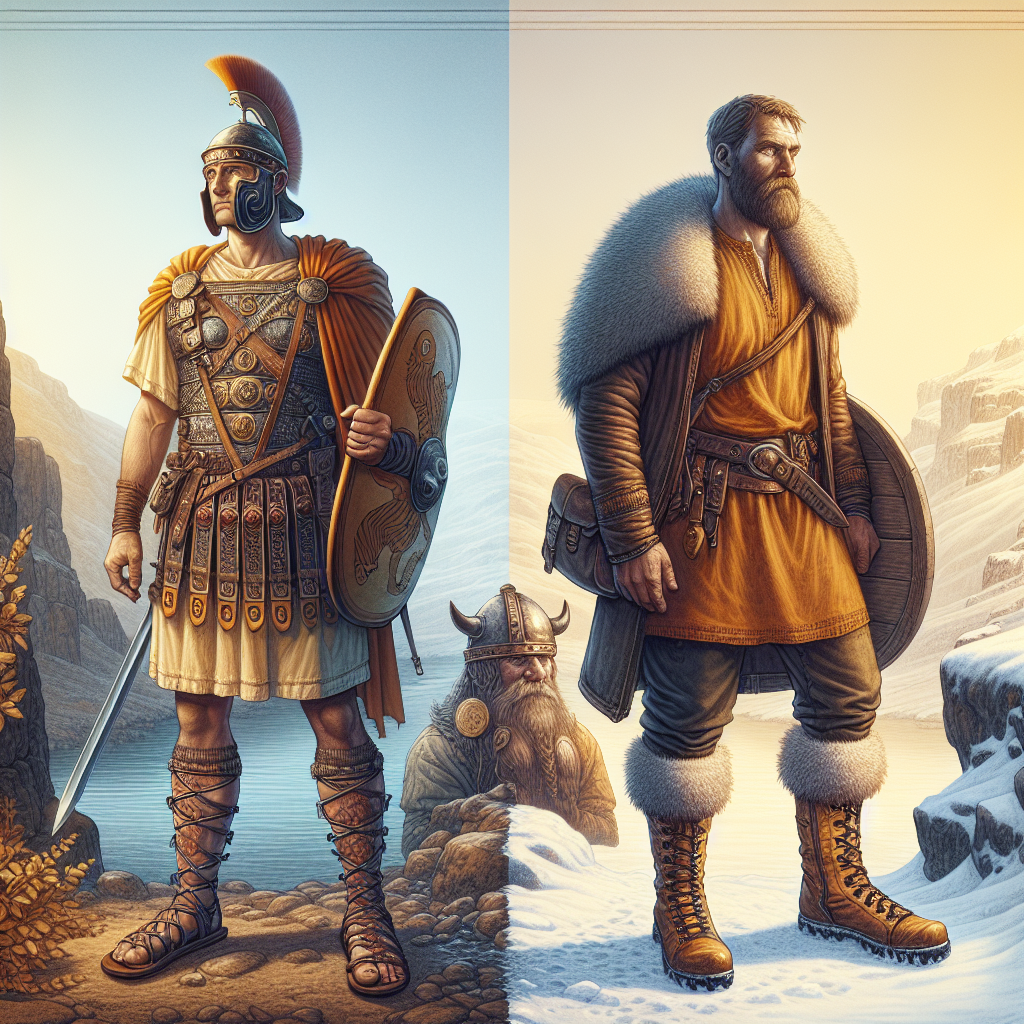
In the early days of exploration, footwear was more about function than fashion. The ancient Romans, for example, relied on sturdy sandals known as “caligae” for their military expeditions. These were designed to endure long marches and tough terrains. Similarly, the Vikings, known for their seafaring quests, used durable leather boots that were waterproof and insulated, perfect for the harsh Scandinavian winters.
As exploration expanded, so too did the need for more specialized footwear. Marco Polo, the famed Venetian traveler, journeyed across Asia in the late 13th century. It’s believed he wore a type of soft, leather shoe that allowed for flexibility and comfort over long distances. This type of footwear was crucial for traversing the various climates and landscapes he encountered.
Age of Exploration
During the Age of Exploration, spanning the 15th to the 17th centuries, explorers like Christopher Columbus and Ferdinand Magellan required footwear that could withstand months at sea and the unknown challenges of new lands. Leather boots with reinforced soles became essential. These boots were designed to be waterproof, offering protection against the elements and the various terrains they would encounter.
In the 18th century, Captain James Cook undertook three voyages to the Pacific Ocean. His choice of footwear included heavy-duty boots made of robust leather, offering protection against rocky coastlines and the wet, unpredictable weather of the high seas. Such footwear was not only practical but also a symbol of the resilience needed to withstand the challenges of exploration.
Modern Explorers and Their Footwear
Fast forward to the 20th and 21st centuries, and we see a significant evolution in explorer footwear. The advancements in technology have allowed for the creation of specialized boots designed for specific environments. Climbers like Sir Edmund Hillary, who first summited Mount Everest in 1953, required insulated boots with crampons for ice traction, a stark contrast to the leather boots of earlier explorers.
Today, modern explorers such as Bear Grylls rely on cutting-edge designs featuring lightweight, breathable materials with advanced grip technology. These innovations ensure safety and endurance in extreme conditions, from scorching deserts to icy mountains. The evolution of explorer footwear reflects not only technological advancements but also the ever-expanding boundaries of human exploration.
Conclusion
The footwear of famous explorers offers more than just a functional purpose; it provides a fascinating insight into the history and evolution of exploration itself. From the simple sandals of the Romans to the high-tech boots of today, each step taken by explorers has been one of courage, ingenuity, and determination. As we continue to push the boundaries of exploration, who knows what the next generation of explorer footwear will look like? 🌍
FAQs
Q1: What was the most common material used in early explorer footwear?
A1: Leather was the most common material, valued for its durability and flexibility.
Q2: How did explorer footwear evolve during the Age of Exploration?
A2: Footwear became more specialized with reinforced soles and waterproofing to handle diverse climates and terrains.
Q3: What advancements have modern explorer boots seen?
A3: Modern boots feature lightweight, breathable materials and advanced grip technology to withstand extreme conditions.
Exploring the footwear of famous explorers not only enriches our understanding of history but also inspires us to appreciate the innovations that continue to drive human exploration forward. So, the next time you lace up your boots for an adventure, remember the footsteps of those who came before you. 🥾