
Exploring the Footwear of Historical Leaders: A Journey Through Time
When we think of historical leaders, their strategic brilliance, charismatic speeches, and monumental decisions often come to mind. But what about the shoes they wore? Footwear can tell a fascinating story about the times, the cultures, and the personalities of those who shaped our world. Let’s step into the past and explore the footwear of some of the most iconic leaders in history. 🥿🕰️
Table of Contents
1. Introduction
2. The Sandals of the Pharaohs
3. Roman Emperors and Their Caligae
4. The Boots of the Conquistadors
5. Napoleon’s Iconic Footwear
6. The Shoes of Modern Political Leaders
7. Conclusion
8. FAQs
The Sandals of the Pharaohs
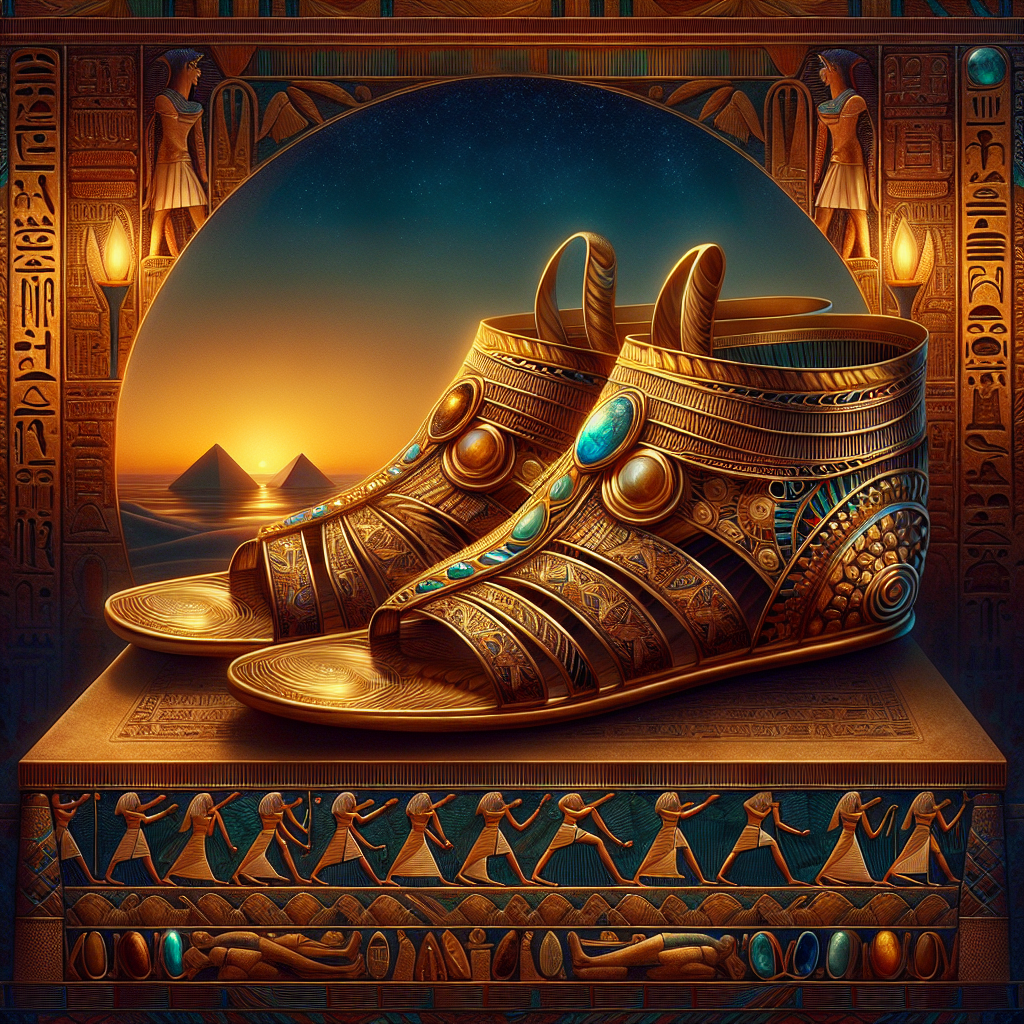
Ancient Egypt was a land of great innovation and style, and this extended even to the footwear of its leaders. Pharaohs, often seen as living gods, donned sandals crafted from papyrus and palm leaves. These sandals were not mere foot coverings; they were symbols of status and authority. Intricately designed with gold and precious stones, the sandals of Pharaohs like Tutankhamun not only provided comfort but also displayed their divine right to rule. In fact, King Tut’s tomb revealed an impressive array of footwear that highlighted the craftsmanship of the era. 🌞
Roman Emperors and Their Caligae
Moving westward, the Roman Empire introduced the caligae, a type of military sandal worn by soldiers and, notably, emperors. These sandals were designed for durability and mobility, essential for conquests and long marches. Emperors like Julius Caesar and Augustus were known to wear these robust sandals, which featured thick soles and hobnails for added grip. The caligae symbolized Roman strength and discipline, making them integral to the image of leadership during the empire’s zenith. 🏺
The Boots of the Conquistadors
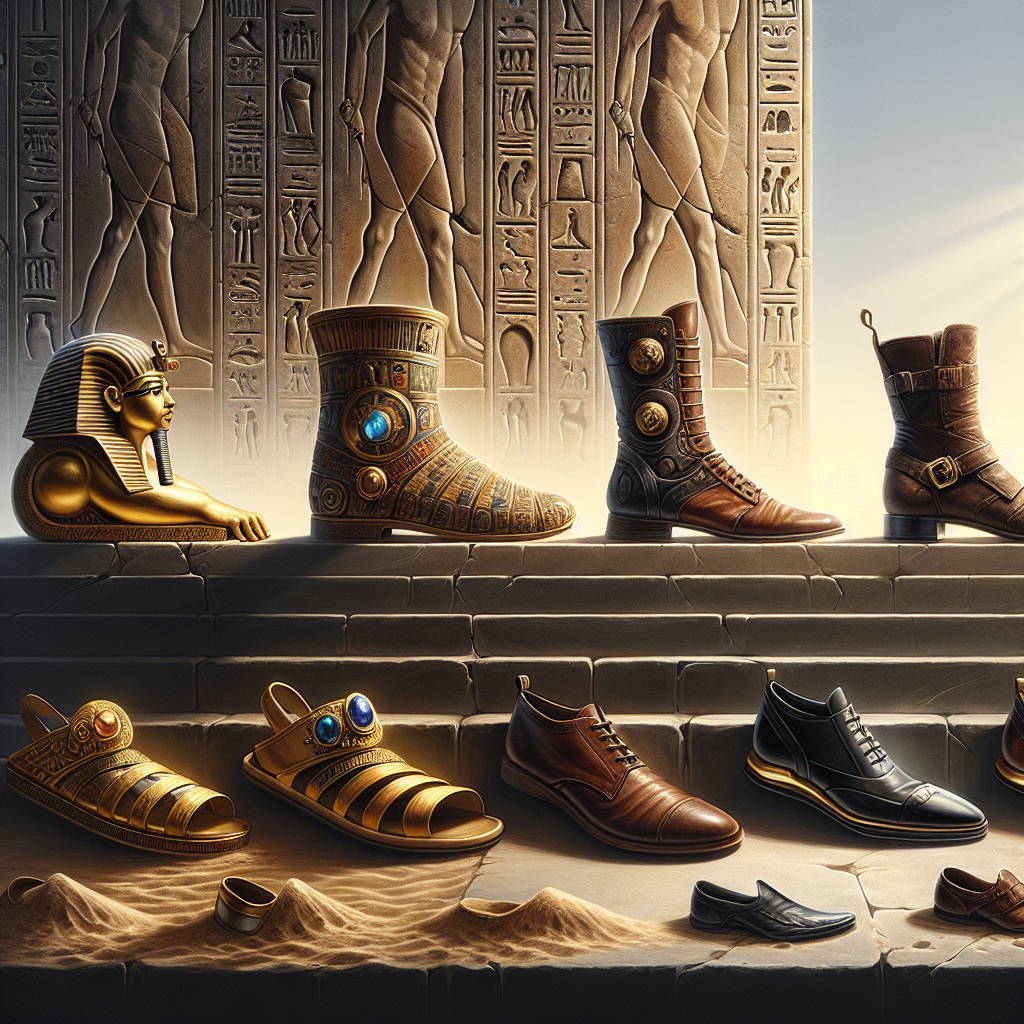
Fast forward to the Age of Exploration, where Spanish conquistadors like Hernán Cortés and Francisco Pizarro embarked on their expeditions wearing sturdy leather boots. These boots were designed to withstand the harsh terrains and climates they encountered in the New World. The footwear of the conquistadors not only protected them but also served as a tool of conquest, as their appearance often intimidated indigenous peoples. The boots became a symbol of European dominance and the daring spirit of exploration. 🏴☠️
Napoleon’s Iconic Footwear
Napoleon Bonaparte, one of history’s most famous military leaders, was known for his meticulous attention to detail, and his choice of footwear was no exception. Napoleon wore boots that were both functional and fashionable, often opting for high-quality leather that offered support during his campaigns. His boots, characterized by a high heel, became a part of his iconic image, projecting authority and command. These boots not only supported him on the battlefield but also played a role in crafting the legend of Napoleon as a larger-than-life figure. 🇫🇷
The Shoes of Modern Political Leaders
In the modern era, political leaders continue to use footwear to make statements. From Mahatma Gandhi’s simple sandals, which symbolized humility and a connection to the masses, to the polished Oxfords of Winston Churchill, shoes have been a part of the political narrative. More recently, leaders like Barack Obama and Angela Merkel have been noted for their practical yet stylish choices, reflecting a blend of professionalism and approachability. These choices speak volumes about their leadership styles and personal values. 👞
Conclusion
Footwear, often overlooked, provides a unique glimpse into the lives and times of historical leaders. From the sandals of the Pharaohs to the boots of modern politicians, shoes have been more than functional items; they have been symbols of power, authority, and personality. As we walk through history, it’s fascinating to see how such a simple item can carry such profound significance. Whether you’re a history buff or a fashion enthusiast, there’s always more to explore in the world of historical footwear! 🌍
FAQs
Q: Why were Pharaohs’ sandals often made of gold?
A: Gold was a symbol of divinity and immortality in ancient Egypt, so using gold in sandals underscored the Pharaohs’ divine status.
Q: What made the Roman caligae unique compared to other sandals?
A: The Roman caligae were designed with thick soles and hobnails, providing durability and grip, ideal for military campaigns.
Q: How did Napoleon’s boots contribute to his iconic image?
A: Napoleon’s boots, with their high heels, enhanced his stature and projected authority, becoming a key element of his legendary persona.
Q: What message did Gandhi’s sandals convey?
A: Gandhi’s simple sandals symbolized his commitment to simplicity, humility, and his connection to the common people.
From the ancient world to modern times, the footwear of leaders continues to intrigue us, offering insights into their lives and legacies. So, next time you lace up your sneakers or slip on your loafers, consider the stories your shoes might tell! 👟