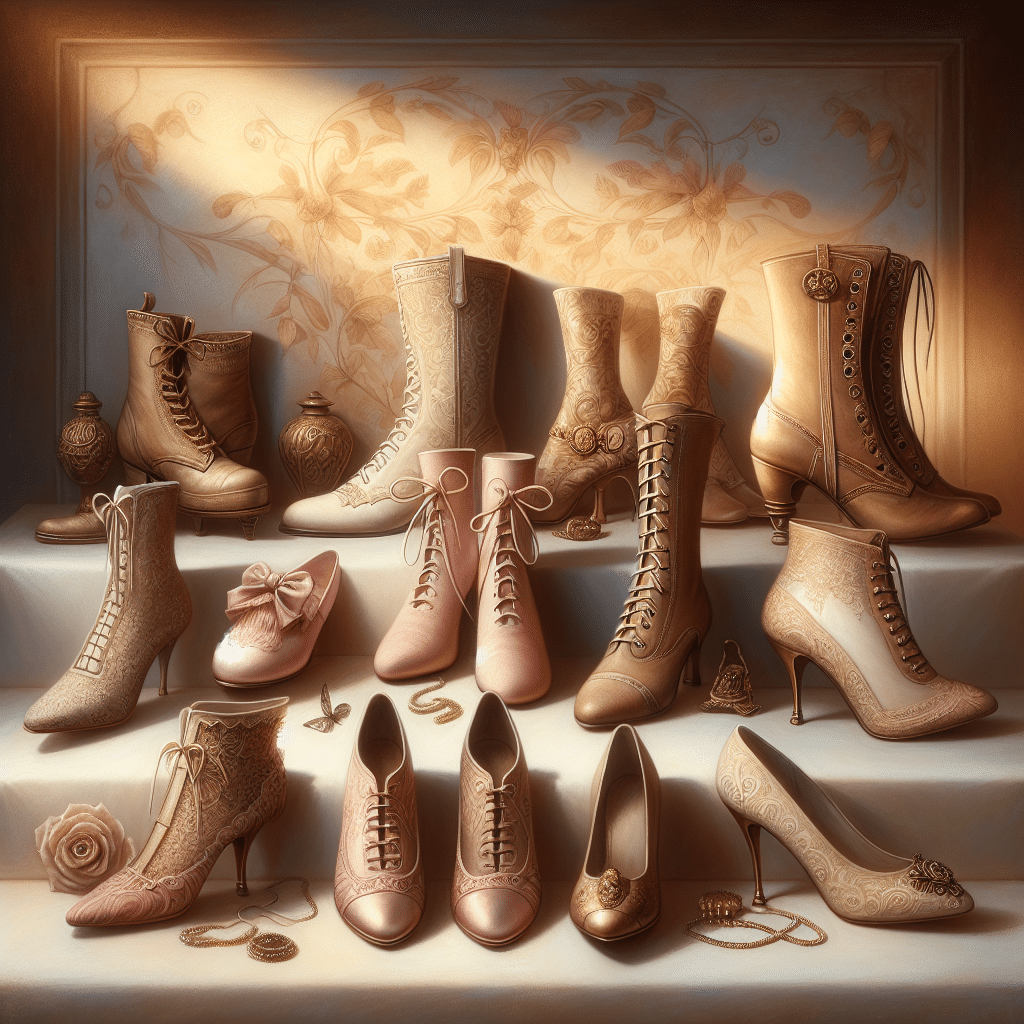
Exploring the Footwear of Romantic Eras
Welcome to a journey through time, where we explore the rich and intricate world of footwear from romantic eras. From the delicate slippers of the 18th century to the sturdy boots of the 19th, shoes have always been more than mere accessories—they tell stories of their time. Join me as we step into the past and uncover the fascinating evolution of footwear through the romantic ages. 👠🕰️
Table of Contents
1. Introduction to Romantic Footwear
2. The 18th Century: Elegance and Extravagance
3. The 19th Century: Practicality Meets Style
4. Iconic Footwear of the Romantic Period
5. Craftsmanship and Materials
6. Footwear in Art and Literature
7. Conclusion
8. FAQs
Introduction to Romantic Footwear
Footwear has always been a significant aspect of human culture. In romantic eras, shoes not only served as protection and comfort but also as symbols of status, wealth, and fashion sensibilities. Each era had its unique styles, reflecting the cultural and social dynamics of the time. Let’s delve into these enchanting periods and see how footwear evolved and influenced society.
The 18th Century: Elegance and Extravagance
The 18th century was a time of opulence and excess, especially evident in the fashion choices of the upper classes. Shoes were no exception. Men and women alike donned elaborately decorated shoes, often crafted from luxurious materials like silk, brocade, and velvet. The heels were high, and the toes were pointed, embodying the very essence of elegance.
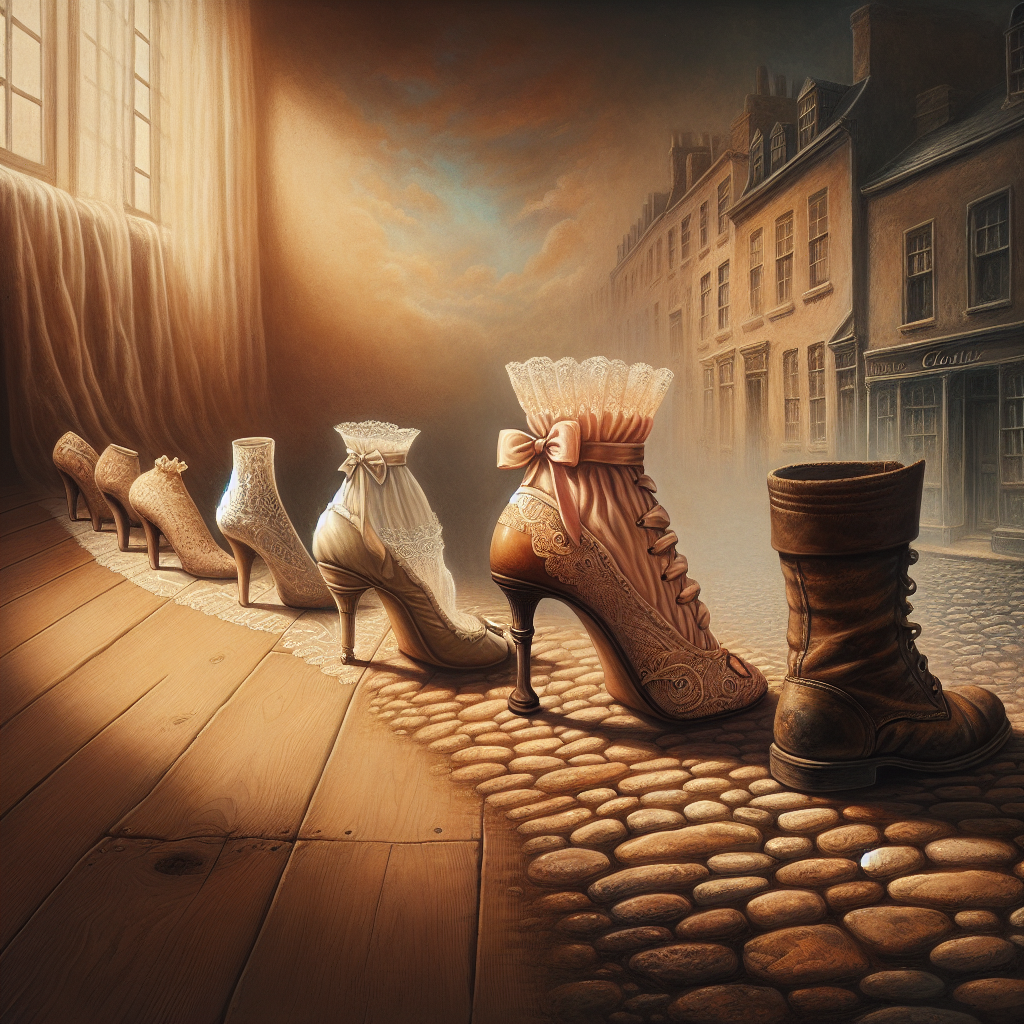
Ladies often wore delicate slippers adorned with ribbons, lace, and embroidery, while men opted for buckled shoes that signified their social standing. The intricate designs and craftsmanship of these shoes made them coveted items, often passed down through generations as family heirlooms.
The 19th Century: Practicality Meets Style
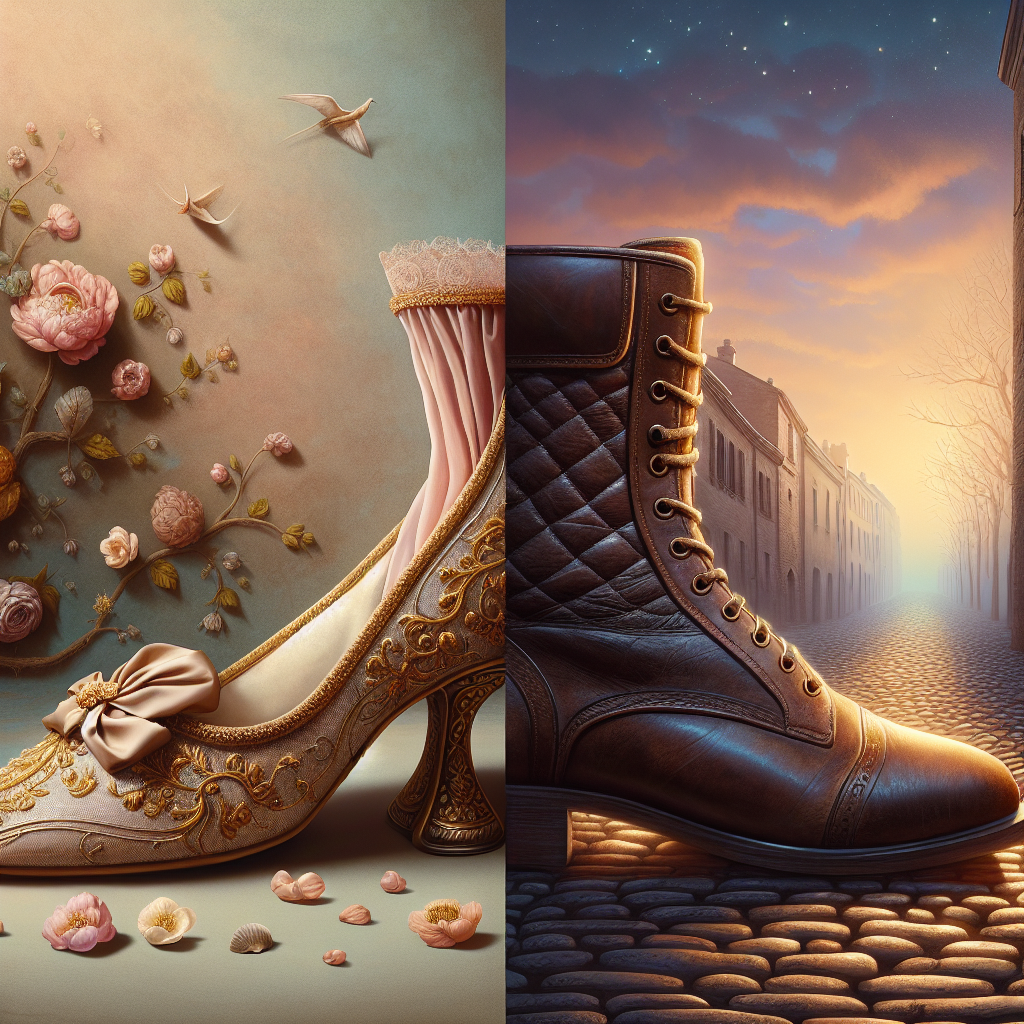
As the world transitioned into the 19th century, the Industrial Revolution brought about significant changes in fashion, including footwear. The era leaned towards practicality, yet style was never compromised. Shoes became more accessible to the masses, thanks to mass production techniques.
Women’s shoes evolved to include ankle boots, which were both fashionable and functional. Men’s footwear also saw a shift towards practicality, with the introduction of the Oxford shoe—a style that remains popular to this day. The 19th century was truly a time when functionality met fashion.
Iconic Footwear of the Romantic Period
The romantic periods gave rise to several iconic footwear styles that have left an indelible mark on fashion history. Some notable mentions include:
Pattens: These were overshoes worn to protect delicate footwear from mud and dirt, a necessity in the often muddy streets of 18th and 19th-century cities.
Grecian Sandals: Inspired by ancient Greek designs, these sandals were a nod to classical antiquity, a popular theme during the Romantic era.
Button Boots: Characterized by their stylish button closures, these boots became a fashionable choice for women during the late 19th century.
Craftsmanship and Materials
The craftsmanship of romantic era footwear was nothing short of remarkable. Skilled artisans dedicated countless hours to producing shoes that were not only beautiful but also durable. Materials used in shoe-making ranged from the finest leathers to exquisite silks and velvets.
Each pair of shoes was often custom-made, tailored to fit the wearer perfectly. The dedication to quality and detail ensured that these shoes were more than just functional—they were works of art.
Footwear in Art and Literature
Shoes from the romantic eras have been immortalized in art and literature, often symbolizing more than just fashion. In many classic novels, a character’s choice of footwear can reveal their social status, personality, and even their journey. Art from these periods frequently depicted shoes as part of portraits, highlighting their importance in the overall attire of the subject.
These cultural artifacts provide us with valuable insights into the lives and values of those who lived through these fascinating times.
Conclusion
Footwear from the romantic eras was much more than a mere necessity; it was a reflection of the times, a testament to the craftsmanship and a symbol of identity. From the ornate slippers of the 18th century to the practical yet stylish boots of the 19th, these shoes tell stories that continue to captivate us today. As we walk through history, it’s clear that our journey through time is often marked by the very shoes we wear. 👞✨
FAQs
Q: What materials were commonly used in romantic era footwear?
A: Common materials included leather, silk, velvet, and brocade, often embellished with ribbons, lace, and embroidery.
Q: Were shoes from the romantic period mass-produced?
A: While mass production began in the 19th century, much of the footwear from the romantic eras was handcrafted and custom-made.
Q: How did the Industrial Revolution impact footwear?
A: The Industrial Revolution introduced mass production techniques, making shoes more accessible and affordable to a broader audience.
Q: Are any romantic era shoe styles still popular today?
A: Yes, styles like the Oxford shoe remain popular, and many modern designs are inspired by romantic era aesthetics.