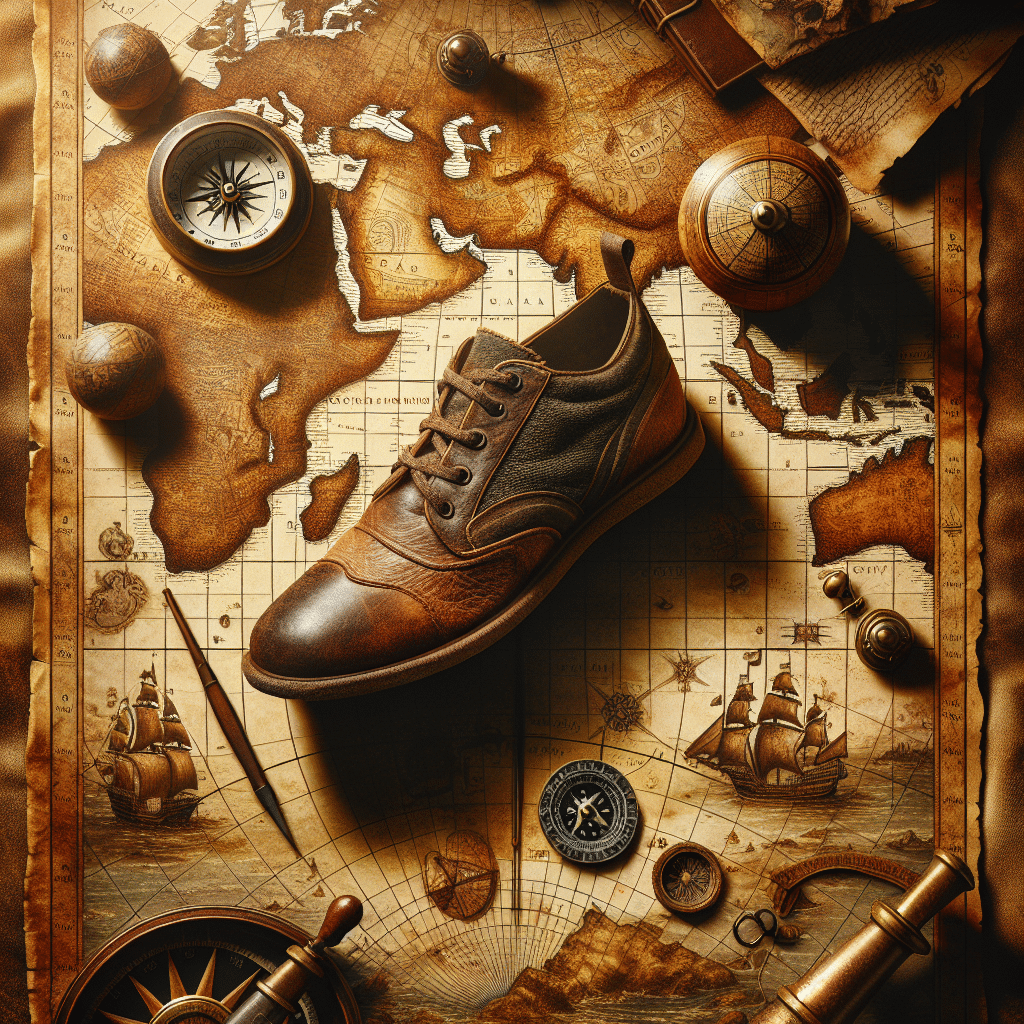
Exploring the Footwear of the Age of Discovery
The Age of Discovery, a time of great exploration and adventure, saw not only the expansion of geographical horizons but also significant developments in various aspects of daily life, including fashion. One of the often-overlooked yet fascinating elements of this era is the footwear worn by explorers and everyday people alike. This blog post delves into the intriguing world of shoes from the Age of Discovery, highlighting their evolution, functionality, and cultural significance. 👢
Table of Contents
1. Introduction to the Age of Discovery
2. The Role of Footwear in Exploration
3. Styles and Materials: A Glimpse into the Past
4. Footwear and Social Status
5. The Influence of Exploration on Footwear Design
6. Conclusion
7. FAQs
Introduction to the Age of Discovery
The Age of Discovery, spanning roughly from the 15th to the 17th centuries, was a pivotal period in history marked by European explorers venturing into new territories. This era not only brought new lands and cultures into contact but also facilitated an exchange of goods, ideas, and technologies. As explorers set sail on their quests, the practical aspects of their journeys, such as clothing and footwear, played a crucial role in their success.
The Role of Footwear in Exploration
During long voyages and treacherous expeditions, the right footwear was essential for explorers. Shoes needed to withstand harsh weather conditions, rugged terrains, and the prolonged wear and tear of travel. Practicality was often prioritized over fashion, with durability and comfort being the key considerations. Leather was a popular material due to its hard-wearing nature and ability to provide some protection against the elements.
Styles and Materials: A Glimpse into the Past
Footwear during the Age of Discovery varied greatly, influenced by regional styles and available materials. Common types included boots, sandals, and moccasins, each serving different purposes based on the climate and terrain. Leather, often treated with oils to enhance its waterproof qualities, was the material of choice for many explorers. In colder climates, fur-lined boots provided necessary warmth while still allowing for movement and flexibility.
Interestingly, some styles from this era still influence modern fashion. For example, the simplicity and functionality of moccasins have inspired contemporary designs, blending traditional craftsmanship with modern aesthetics.
Footwear and Social Status
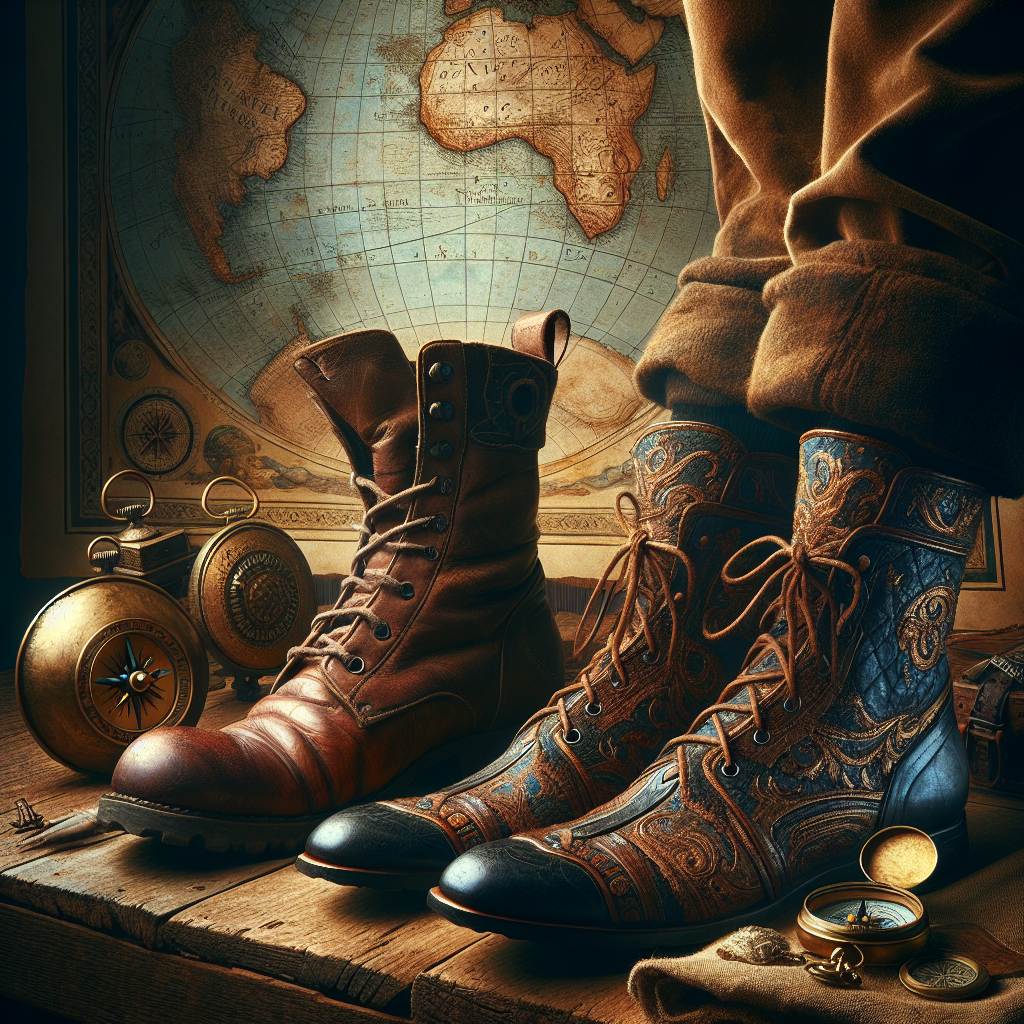
In addition to practicality, footwear during this period also indicated social status and wealth. While explorers wore sturdy, functional shoes, the elite sported more ornate footwear. These shoes often featured intricate designs, vibrant colors, and expensive materials, signifying their wearer’s status and taste. In many European courts, shoes became a symbol of prestige, with nobility often competing to showcase the most eye-catching designs.
The Influence of Exploration on Footwear Design
The Age of Discovery didn’t just impact the geographical landscape; it also left its mark on fashion, including footwear design. As explorers returned with new materials and ideas, shoe designs began incorporating elements from different cultures. This cross-cultural exchange led to the evolution of footwear styles, blending functionality with aesthetic appeal. For instance, the introduction of new dyes and fabrics allowed for more colorful and diverse shoe designs.
Conclusion
Footwear from the Age of Discovery offers a unique glimpse into the lives of those who shaped this transformative era. From the practical, durable shoes of explorers to the ornate designs worn by the elite, footwear was both a functional necessity and a symbol of cultural exchange and social hierarchy. As we reflect on this fascinating period, it’s clear that the shoes of the Age of Discovery were more than just a means of protection—they were a reflection of the world in flux. 🌍
FAQs
Q: What materials were commonly used for footwear during the Age of Discovery?
A: Leather was the most common material due to its durability. In colder climates, fur lining was used for warmth.
Q: Did footwear styles vary across different regions?
A: Yes, footwear styles varied based on regional climates and available materials. For instance, moccasins were common in North America, while leather boots were prevalent in Europe.
Q: How did footwear indicate social status during this era?
A: Ornate shoes with intricate designs and expensive materials were often worn by the elite to signify wealth and status.
Q: Are there any modern footwear styles influenced by the Age of Discovery?
A: Yes, modern moccasin designs are inspired by traditional styles from this era, blending functionality with contemporary trends.