
Exploring the Footwear of the Industrial Revolution
The Industrial Revolution was a time of significant change and innovation, affecting nearly every aspect of daily life. One often-overlooked aspect is footwear. From the clogs of factory workers to the boots of explorers, understanding the evolution of footwear during this era provides insights into the social and economic changes of the time. Join me as we explore the fascinating world of Industrial Revolution footwear!
Table of Contents
1. Introduction to Industrial Revolution Footwear
2. The Rise of Mass Production in Footwear
3. Materials and Techniques: What Were Shoes Made Of?
4. The Role of Footwear in Social Class Distinction
5. Footwear Functionality: From Factory Floors to Fashion
6. Conclusion: The Legacy of Industrial Revolution Footwear
7. FAQs About Industrial Revolution Footwear
Introduction to Industrial Revolution Footwear
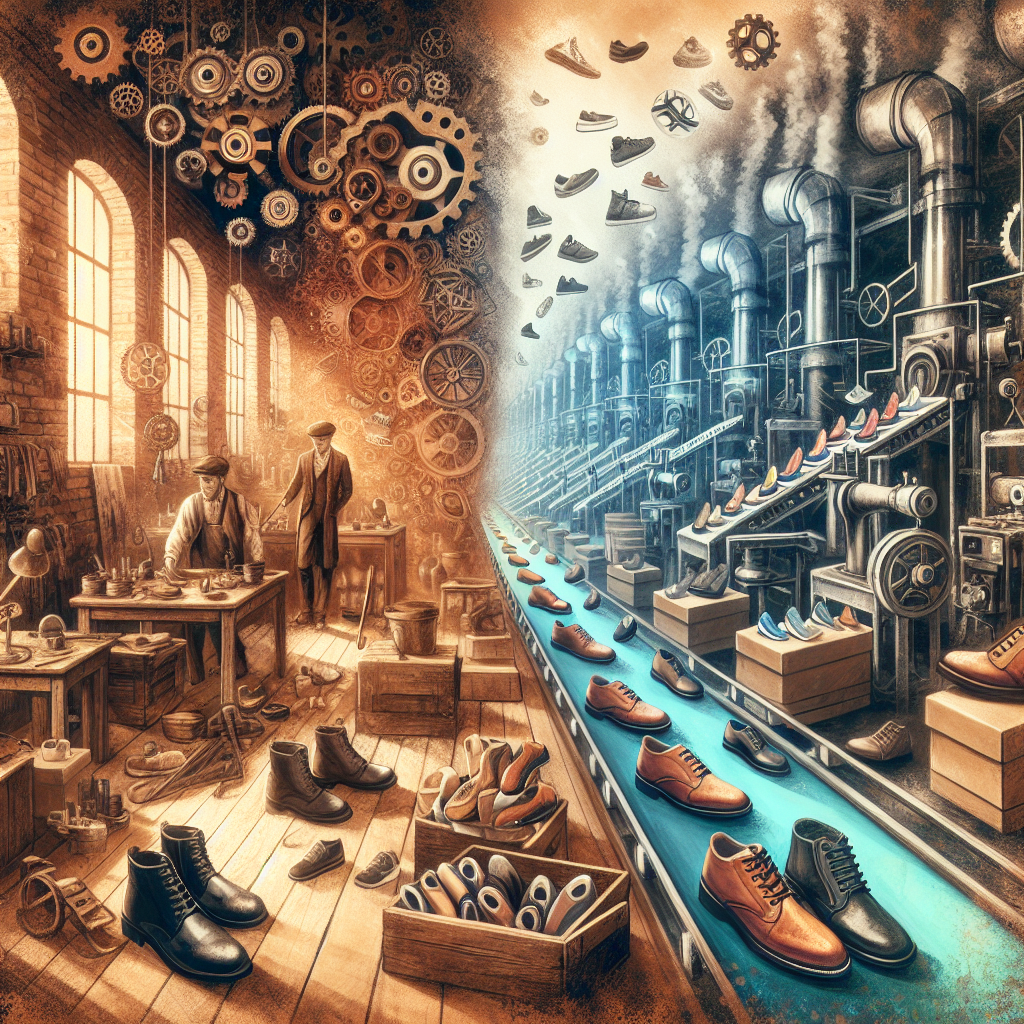
The Industrial Revolution, spanning from the late 18th to the early 19th century, was a time of unprecedented growth and change. As steam engines took over and factories sprouted across landscapes, the need for efficient, durable, and affordable footwear became critical. This period marked the transition from handcrafting to mechanized production, radically altering the way shoes were made and worn.
The Rise of Mass Production in Footwear
Before the Industrial Revolution, shoes were painstakingly handcrafted by cobblers. Each pair was unique, tailored to the individual’s feet. However, the advent of mechanization introduced the concept of mass production. With the invention of the sewing machine and other manufacturing technologies, it became possible to produce shoes on a larger scale, making them more accessible to the general population.
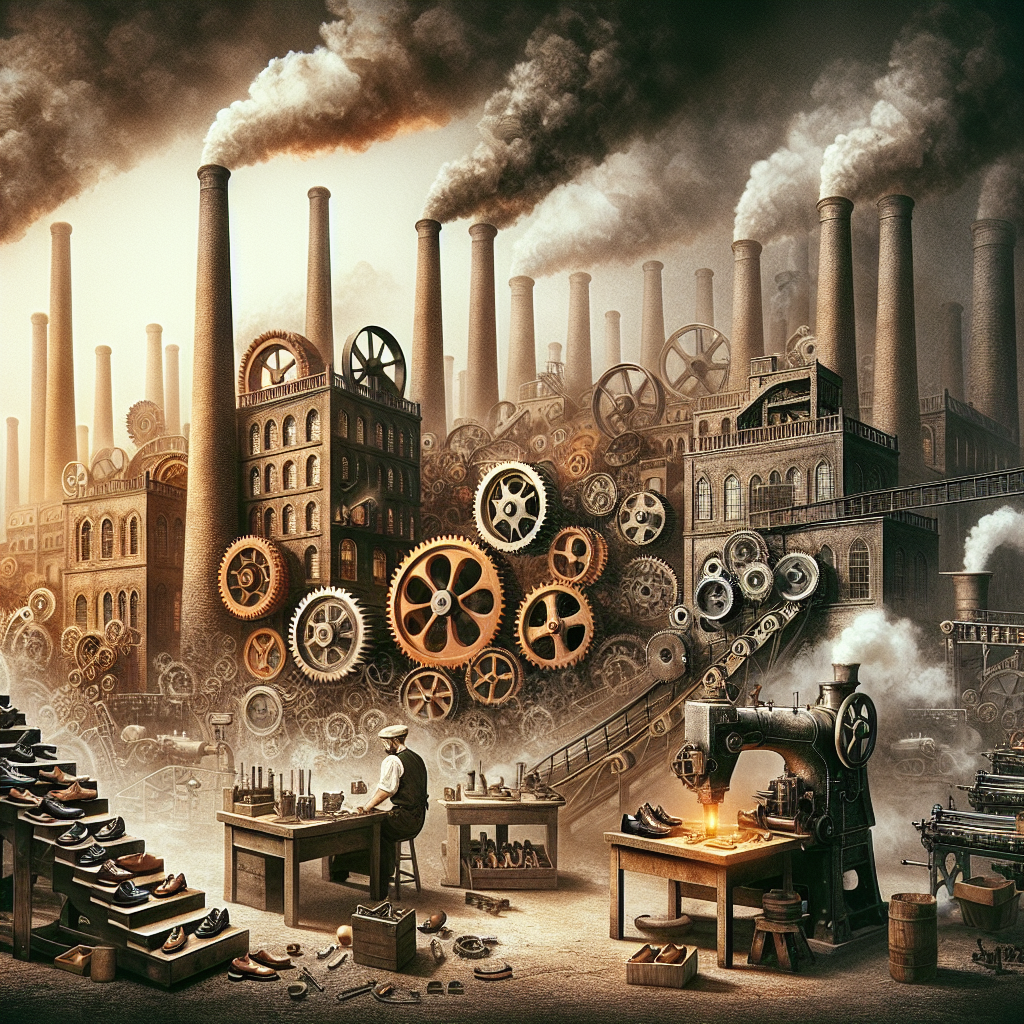
Mass production didn’t just make shoes more affordable; it also standardized shoe sizes, which was a revolutionary idea at the time. This standardization meant that people could purchase shoes off the shelf, saving both time and money.
Materials and Techniques: What Were Shoes Made Of?
During the Industrial Revolution, leather remained a popular material for shoes due to its durability and availability. However, the period also saw the introduction of new materials and techniques. Rubber, for instance, became increasingly common after Charles Goodyear invented the vulcanization process in 1839, making it possible to produce more resilient and waterproof footwear.
In addition, the use of wooden soles, particularly in clogs, became widespread among factory workers. These clogs provided protection against the harsh factory environments and were both affordable and durable.
The Role of Footwear in Social Class Distinction
Footwear during the Industrial Revolution also played a significant role in social class distinctions. The type and quality of shoes worn often indicated an individual’s social status. Wealthier individuals could afford high-quality leather shoes that were both fashionable and comfortable, while the working class often wore basic, functional footwear like clogs and simple boots.
This distinction was not just about appearance but also about practicality. The working class needed sturdy shoes that could withstand long hours in factories or mines, while the upper class often wore shoes that prioritized fashion over function.
Footwear Functionality: From Factory Floors to Fashion
The Industrial Revolution was not just about function; it also saw the beginnings of footwear as a fashion statement. As production techniques improved, so did the variety of styles available. Boots, in particular, became a popular fashion item, with different styles emerging to suit various activities, from riding to walking.
Footwear also became a symbol of professional identity. Factory workers, miners, and soldiers all had distinct types of shoes suited to their unique needs. This specialization continues today, with footwear designed for specific professions and activities.
Conclusion: The Legacy of Industrial Revolution Footwear
The Industrial Revolution transformed the footwear industry, setting the foundation for modern shoe production. The shift to mass production, the introduction of new materials, and the evolution of styles and functions have left a lasting legacy. Today, while we enjoy a vast array of footwear options, it’s fascinating to look back at how this era shaped the shoes we wear.
As you slip into your next pair of shoes, take a moment to appreciate the rich history and innovation that make them possible—thanks to the Industrial Revolution. 🥾👞
FAQs About Industrial Revolution Footwear
Q1: What materials were commonly used in footwear during the Industrial Revolution?
A1: Leather and wood were the most common materials, with rubber becoming popular after the vulcanization process was developed.
Q2: How did the Industrial Revolution impact the shoe industry?
A2: It introduced mass production, standardized sizing, and made shoes more affordable and accessible to the general population.
Q3: Were shoes during the Industrial Revolution comfortable?
A3: Comfort varied widely; while wealthier individuals enjoyed more comfortable footwear, the working class often wore shoes designed for functionality and durability rather than comfort.
Q4: Did fashion play a role in footwear during the Industrial Revolution?
A4: Yes, as production techniques improved, footwear began to reflect fashion trends, with boots becoming particularly popular as a fashion item.