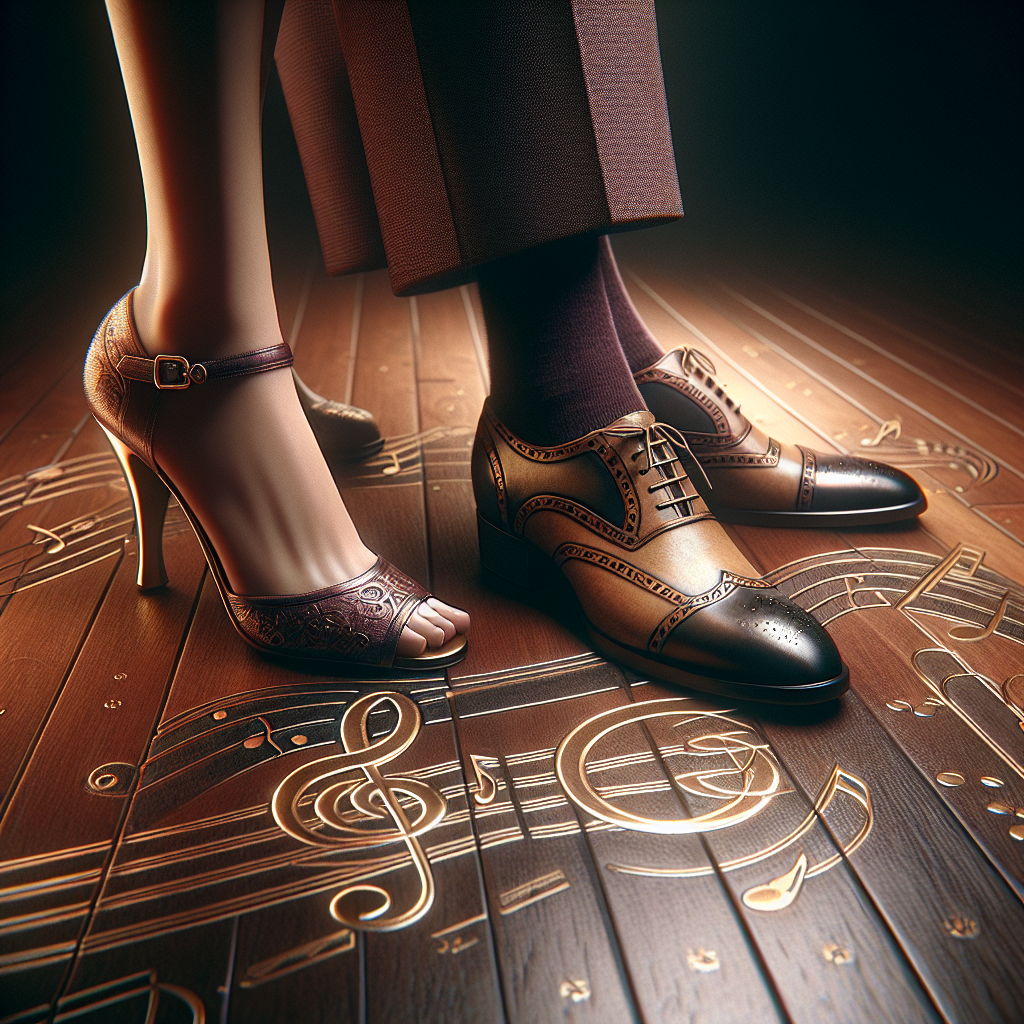
Exploring the Footwear of the Jazz Age: A Stylish Step Back in Time
The Jazz Age, a period of cultural and artistic explosion, saw significant changes not only in music and fashion but also in footwear. As jazz music brought rhythm and freedom to the dance floors, the shoes of the era mirrored this newfound zest for life. From the flapper’s flashy heels to the dapper men’s oxfords, the footwear of the Jazz Age was as lively and dynamic as the music itself. Let’s lace up and step back into this striking era! 🎶👠
Table of Contents
1. Introduction
2. The Rise of Dance Shoes
3. Flapper Fashion Footwear
4. Men’s Footwear Revolution
5. Materials and Designs
6. Iconic Shoe Brands
7. Conclusion
8. FAQs
Introduction
The 1920s, famously known as the Jazz Age, was a decade of prosperity, cultural liberation, and significant shifts in social norms. It was an era where fashion took a bold turn, reflecting the dynamic social changes. Footwear, a fundamental aspect of fashion, evolved dramatically during this period. Shoes became not only a necessity but a form of self-expression, echoing the spirit of jazz with every step. This post will delve into the fascinating world of Jazz Age footwear, exploring its trends, influences, and legacy.
The Rise of Dance Shoes
As jazz music gained popularity, dance floors became the epicenters of social life. The Charleston, Foxtrot, and Lindy Hop were not just dances but cultural phenomena that demanded footwear designed for movement. Dance shoes of the time featured sturdy construction with flexible soles, allowing for ease of movement and support during energetic routines. Women often wore T-strap heels, which provided stability, while men opted for oxfords or brogues with a polished finish. These shoes were as much about functionality as they were about style, enabling dancers to glide across the floor with grace and flair. 💃🕺
Flapper Fashion Footwear
The flapper, a symbol of the Jazz Age, embodied independence and modernity. Flappers broke away from traditional norms, both in behavior and dress, and their footwear was no exception. They favored bold, eye-catching shoes that complemented their short dresses and bobbed hair. Mary Jane heels, characterized by a single strap across the instep, became a favorite. These shoes often featured elaborate embellishments such as beads, sequins, and metallic finishes, reflecting the glitz and glamour of the Roaring Twenties. Flappers danced to jazz rhythms in these stylish shoes, leaving an indelible mark on fashion history.
Men’s Footwear Revolution
Men’s footwear also underwent a transformation during the Jazz Age. The traditional boots and high-topped shoes of previous decades gave way to more sophisticated and streamlined styles. Oxfords, characterized by their close-laced style, became the shoe of choice for the dapper gentleman. These shoes were often crafted in two-tone designs, marrying elegance with a touch of flair. Brogues, with their distinctive perforations, were another popular choice, reflecting the era’s penchant for detailed craftsmanship. Men’s shoes during the Jazz Age were not just about function; they were a statement of style and sophistication. 👞
Materials and Designs
The Jazz Age was a time of experimentation, and this was reflected in the materials and designs of shoes. Leather remained a popular choice, prized for its durability and versatility. However, new materials such as satin, silk, and velvet gained popularity, offering a luxurious feel and allowing for vibrant colors and intricate designs. Art Deco, the predominant artistic style of the era, influenced shoe designs, resulting in geometric patterns and striking contrasts. Footwear became a canvas for creativity, showcasing the innovation and extravagance of the time.
Iconic Shoe Brands
Several shoe brands emerged during the Jazz Age, leaving a lasting legacy on the industry. Salvatore Ferragamo, known for his craftsmanship and inventiveness, became a favorite among Hollywood stars. His designs featured unique materials and innovative techniques, setting a new standard for luxury footwear. Bally, a Swiss brand, also gained prominence with its high-quality leather shoes that combined comfort with style. These brands and others set the stage for modern shoe design, influencing trends that continue to this day.
Conclusion
The Jazz Age was a period of vibrant change and innovation, and its impact on footwear was profound. Shoes became more than just a practical necessity; they were a symbol of the era’s spirit, characterized by freedom, style, and self-expression. From the dance floors of the 1920s to the fashion runways of today, the legacy of Jazz Age footwear continues to inspire and captivate. Whether you’re a history enthusiast or a fashion aficionado, the shoes of the Jazz Age offer a fascinating glimpse into a bygone era, where every step was a dance to the rhythm of jazz. 🎷👞
FAQs
Q: Why were shoes so important during the Jazz Age?
A: Shoes were crucial during the Jazz Age as they reflected the era’s cultural and social dynamics. They were not only about functionality but also about making a fashion statement.
Q: What were the popular materials used in Jazz Age footwear?
A: Leather was popular for its durability, but materials like satin, silk, and velvet were also used for their luxurious feel and ability to showcase vibrant colors and intricate designs.
Q: How did jazz music influence footwear design?
A: Jazz music influenced footwear design by inspiring shoes that allowed for freedom of movement and featured bold, expressive styles that matched the lively spirit of the music.
Q: Are Jazz Age shoe designs still relevant today?
A: Yes, many Jazz Age shoe designs continue to influence contemporary fashion, with vintage-inspired styles and Art Deco patterns frequently appearing in modern collections.