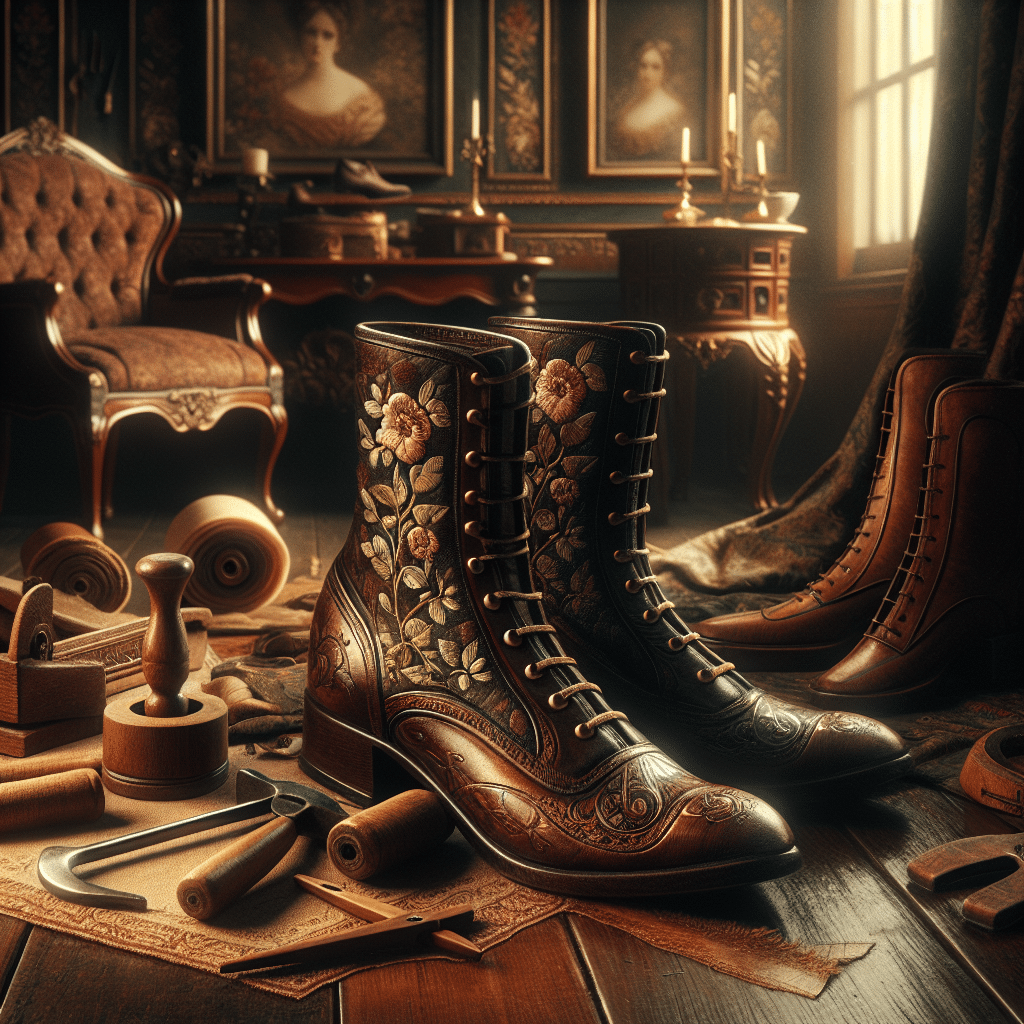
Exploring the Footwear of the Victorian Era: A Step Back in Time
The Victorian era, spanning from 1837 to 1901, was a period of remarkable transformation, especially in fashion. Footwear from this time reflects the profound social and technological changes of the 19th century. In this blog post, we’ll journey through the intriguing world of Victorian shoes, examining their styles, materials, and cultural significance. So, lace up your boots, and let’s step back in time! 🕰️👢
Table of Contents
1. Introduction
2. Victorian Footwear Styles
3. Materials and Manufacturing
4. Cultural Significance of Footwear
5. Conclusion
6. FAQs
Introduction
The Victorian era was a time of elegance and strict social codes, reflected in the fashion choices of the day. Footwear was no exception, with its own set of rules and innovations. From the intricate designs of women’s boots to the sturdy practicality of men’s shoes, let’s delve into the fascinating world of Victorian footwear.
Victorian Footwear Styles
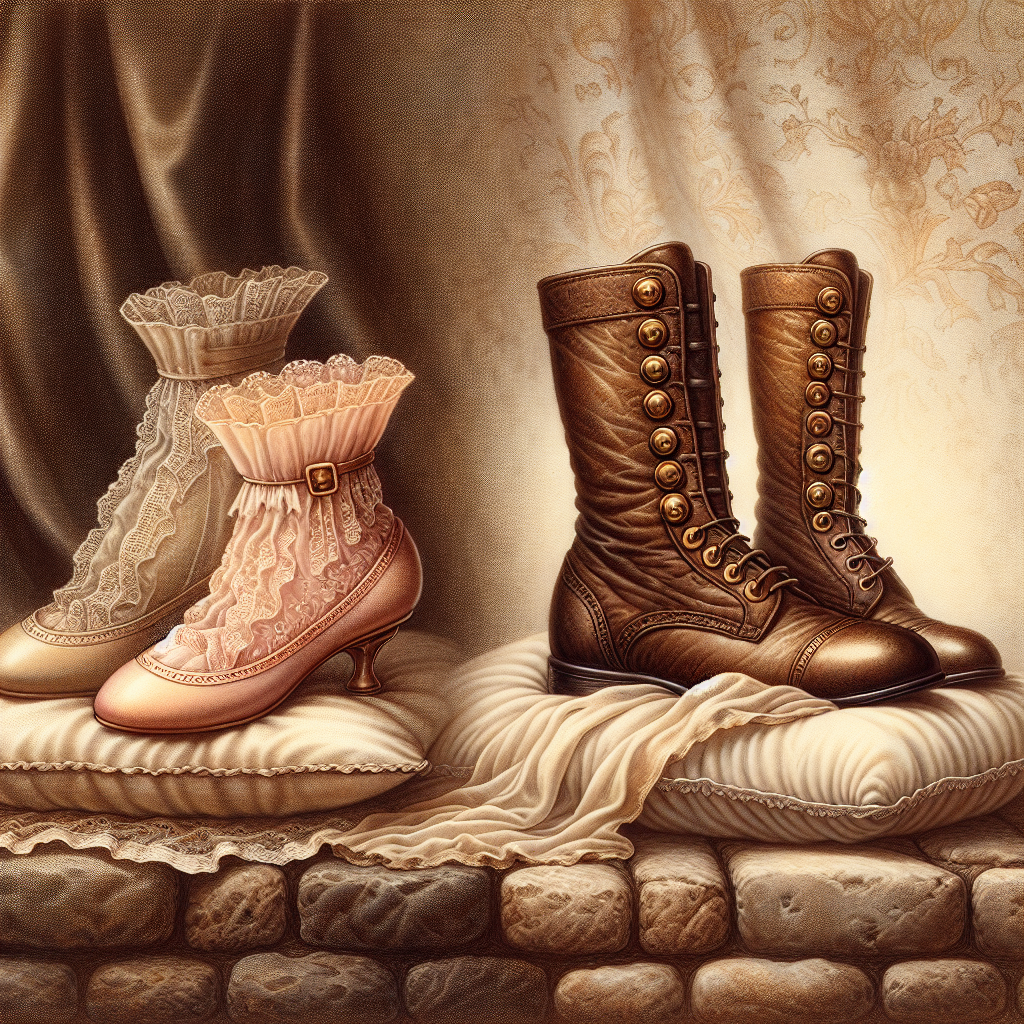
Victorian footwear was as diverse as the era itself. Women’s shoes evolved from delicate slippers to more structured designs, while men’s footwear maintained a focus on durability and sophistication.
Women’s Footwear
Women’s shoes in the early Victorian period were often delicate with thin soles, reflecting a lifestyle more concerned with fashion than practicality. As the century progressed, the demand for more robust footwear grew, leading to the popularity of button boots. These boots, often made of leather or cloth, featured rows of buttons along the side and provided both support and style.
Another popular style was the Balmoral boot, named after Queen Victoria’s Scottish residence. These boots were practical yet elegant, suitable for outdoor activities and daily wear.
Men’s Footwear
Men’s shoes in the Victorian era combined formality with function. The Oxford shoe, characterized by its closed lacing system, was a staple in any gentleman’s wardrobe, signifying sophistication and style. For more rugged activities, Derby shoes and ankle boots were favored for their comfort and durability.
Evening footwear for men often included patent leather pumps, a nod to the era’s emphasis on social occasions and formal attire.
Materials and Manufacturing
The 19th century was a time of industrial innovation, and shoe manufacturing was no exception. The introduction of machinery in the production process allowed for mass production and a wider distribution of footwear.
Materials Used
Leather was the primary material for Victorian shoes, valued for its durability and flexibility. However, as the century advanced, other materials such as canvas and rubber found their place in the shoemaker’s repertoire, catering to a wider audience and varied needs.
Manufacturing Techniques
Initially, shoes were handmade, a labor-intensive process that limited production. The industrial revolution changed this, introducing machines that could stitch and shape shoes at a much faster rate. This not only made shoes more accessible but also allowed for greater experimentation with design and styles.
Cultural Significance of Footwear
Footwear in the Victorian era was more than just a fashion statement; it was a reflection of one’s social status and lifestyle. The style, material, and condition of one’s shoes often indicated wealth and social standing.
For women, shoes were an extension of their attire, influenced by the current trends and societal expectations. For men, the right footwear was essential for both professional and personal settings, often dictating the level of respect and recognition one received in social circles.
Conclusion
Victorian footwear offers a fascinating glimpse into the era’s cultural and technological advancements. From the delicate slippers of the early 1800s to the robust boots of the late century, each pair of shoes tells a story of evolving fashion and societal norms. As we look back, these styles continue to inspire modern fashion, reminding us of the intricate tapestry of history that shapes our present.
FAQs
Q: What were Victorian shoes made of?
A: Victorian shoes were primarily made of leather, but materials like canvas and rubber became popular later in the century.
Q: Why were button boots popular in the Victorian era?
A: Button boots were popular due to their stylish appearance and practical support, making them suitable for both fashion and functionality.
Q: How did the industrial revolution affect shoe manufacturing?
A: The industrial revolution introduced machinery to shoe manufacturing, allowing for mass production and a wider variety of styles and designs.
We hope this journey through Victorian footwear has been both enlightening and enjoyable. If you have any more questions or thoughts, feel free to leave a comment below! 👠👞