Footwear and Foot Health: What You Need to Know
When it comes to taking care of our bodies, we often overlook one of the most critical parts: our feet. The type of footwear we choose can significantly impact our foot health, and consequently, our overall well-being. Whether you’re a sneaker fan, a high-heel enthusiast, or someone who prefers to walk barefoot, understanding the relationship between footwear and foot health is essential. In this post, we’ll delve into everything you need to know to keep your feet happy and healthy. 👣
Table of Contents
1. The Importance of Foot Health
2. Types of Footwear and Their Impact
3. Choosing the Right Footwear
4. Tips for Maintaining Healthy Feet
5. Conclusion
6. FAQs
The Importance of Foot Health
Our feet are complex structures, each containing 26 bones, 33 joints, and over 100 tendons, muscles, and ligaments. They support our weight, provide balance, and enable movement. Poor foot health can lead to issues such as back pain, knee discomfort, and even postural problems. Therefore, keeping our feet healthy is crucial not just for mobility, but for overall health.
Types of Footwear and Their Impact
Sneakers
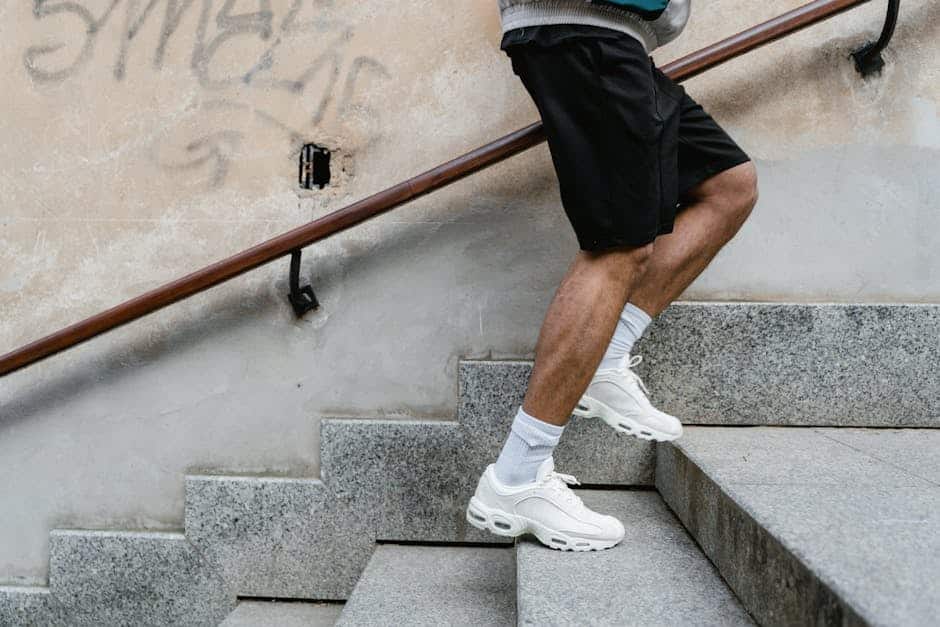
Sneakers are a popular choice for everyday wear due to their comfort and support. They often come with cushioned soles and arch support, which are beneficial for foot health. However, it’s essential to ensure they fit well to prevent blisters and other foot ailments.
High Heels
While high heels can be stylish, they can have adverse effects on foot health. They place pressure on the toes and balls of the feet, leading to conditions like bunions and hammertoes. If you love your heels, consider limiting their use to avoid long-term damage.
Sandals and Flip-Flops
Sandals and flip-flops are perfect for a casual look and warmer weather. However, they often lack arch support and can cause foot strain if worn for extended periods. Opt for options with ergonomic designs to provide better support.
Boots
Boots offer excellent support and are ideal for colder weather. They can protect your feet from harsh conditions, but it’s important to ensure they aren’t too tight, as this can restrict blood flow and cause discomfort.
Choosing the Right Footwear
When selecting footwear, consider the following factors:
1. Fit: Ensure your shoes fit well. There should be a thumb’s width of space between your longest toe and the shoe’s tip.
2. Arch Support: Choose shoes that provide adequate arch support to prevent foot pain and discomfort.
3. Cushioning: Look for footwear with cushioned soles to absorb impact and reduce stress on your feet.
4. Material: Opt for breathable materials to prevent moisture buildup and reduce the risk of fungal infections.
Tips for Maintaining Healthy Feet
Beyond choosing the right footwear, here are some tips to keep your feet in top shape:
1. Regular Foot Care: Keep your feet clean and moisturized to prevent dryness and cracking.
2. Stretching and Exercises: Regularly stretch your feet and ankles to maintain flexibility and strength.
3. Listen to Your Feet: Pay attention to any pain or discomfort and address issues promptly.
4. Regular Check-Ups: Visit a podiatrist if you experience persistent foot problems.
Conclusion
Foot health is an integral part of our overall well-being. By understanding the impact of different types of footwear and making informed choices, we can prevent many common foot issues. Remember, happy feet lead to a happier you. So, take a step in the right direction and prioritize your foot health today! 🚶♂️👠
FAQs
Q: How often should I replace my shoes?
A: It’s generally recommended to replace your shoes every 300-500 miles or when they show signs of wear, such as uneven soles or lack of cushioning.
Q: Can wearing the wrong shoes cause back pain?
A: Yes, improper footwear can lead to misalignment and stress on your back, resulting in pain.
Q: Are barefoot shoes good for you?
A: Barefoot shoes can help strengthen foot muscles and improve balance, but they may not provide the support some individuals need. It’s best to consult with a podiatrist to see if they’re right for you.
Q: What should I do if my shoes cause blisters?
A: Ensure your shoes fit properly and consider using blister pads or moleskin to protect sensitive areas. If blisters persist, it may be time to get a new pair.