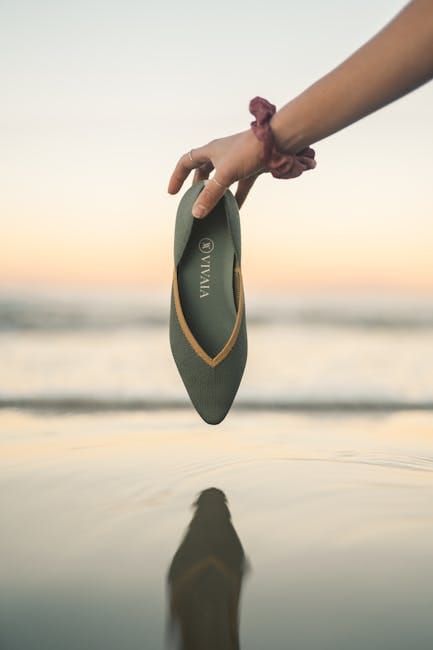
How to Break in New Shoes Without Blisters
There’s nothing quite like the excitement of slipping into a new pair of shoes. Whether it’s a pair of sleek heels, comfy sneakers, or sturdy boots, new footwear can instantly elevate your style. However, the downside of this shoe euphoria often comes in the form of painful blisters. Fear not! In this post, we’ll explore tried-and-true methods to break in your new shoes without turning your feet into a battlefield. 👟✨
Table of Contents
1. Why New Shoes Cause Blisters
2. Preparing Your New Shoes
3. Tips to Break in Shoes Without Pain
4. Aftercare: Keeping Your Feet Happy
5. FAQs
Why New Shoes Cause Blisters
Blisters form when there’s friction between your skin and the shoe material. New shoes haven’t yet molded to the unique shape of your feet, causing areas of rubbing and irritation. The combination of sweat and movement exacerbates this friction, leading to those dreaded blisters. Understanding this process is the first step to prevention.
Preparing Your New Shoes
Before you step out in your new kicks, a little preparation can go a long way. Here are some preemptive measures:
1. Choose the Right Fit
It might seem obvious, but ensuring your shoes fit well is crucial. Shoes that are too tight or too loose are more likely to rub and cause blisters. Consider trying them on at the end of the day when your feet are slightly swollen to ensure a comfortable fit.
2. Soften the Material
Use a shoe softener spray or simply flex the shoes gently with your hands to soften them. This helps to reduce the rigidity of the material, making it more adaptable to your foot shape.
3. Use a Hairdryer
For leather shoes, applying gentle heat with a hairdryer while wearing thick socks can help stretch and shape them. Be careful not to overheat the material!
Tips to Break in Shoes Without Pain
1. Wear Them in Intervals
Start by wearing your new shoes for short periods around the house. Gradually increase the duration as your feet become accustomed to them. This phased approach helps prevent blisters by minimizing prolonged friction.
2. Use Moleskin or Bandages
Apply moleskin or adhesive bandages to areas of your feet prone to blistering. These protective barriers reduce friction and provide cushioning.
3. Moisturize Your Feet
Keeping your feet well-moisturized helps reduce friction. Use a quality foot cream regularly, focusing on areas that often blister.
4. Try Anti-Blister Socks
Invest in socks specifically designed to prevent blisters. These socks often have extra padding in high-friction areas and are made from moisture-wicking materials.
5. Freeze Your Shoes
Fill a zip-lock bag with water, place it inside the shoe, and then freeze overnight. As the water turns to ice, it expands and stretches the shoe gently.
Aftercare: Keeping Your Feet Happy
Even with the best prevention strategies, your feet might still need some TLC after wearing new shoes. Here are some aftercare tips:
1. Soak Your Feet
A warm foot soak with Epsom salts can soothe soreness and reduce swelling after a long day.
2. Apply Aloe Vera
Use aloe vera gel to cool and heal any irritated spots on your feet.
3. Massage Your Feet
Gently massaging your feet can improve circulation and reduce tension.
FAQs
Q1: How long does it take to break in new shoes?
A: It typically takes anywhere from a few days to a couple of weeks, depending on the shoe type and material.
Q2: Can I speed up the breaking-in process?
A: Yes, using methods like wearing thick socks, applying heat, or using shoe stretchers can help speed up the process.
Q3: What should I do if I get a blister?
A: Clean the area with soap and water, apply an antiseptic, and cover it with a sterile bandage. Avoid popping the blister to prevent infection.
Breaking in new shoes doesn’t have to be a painful ordeal. With these practical tips and tricks, you can enjoy your new footwear in comfort and style. Remember, a little patience and preparation can spare you from a lot of discomfort! 🌟