
The Best Footwear for Dancing: From Ballet to Ballroom
Dancing is an art form that demands precision, grace, and the right equipment—starting with your footwear. Whether you’re pirouetting in a ballet studio or gliding across a ballroom floor, the right shoes can make all the difference. In this guide, we’ll explore the best footwear for various dance styles, what to consider when choosing them, and some tips to keep your dancing shoes in top shape. Let’s step into the world of dance and discover the perfect pair for you! 💃🕺
Table of Contents
1. Introduction to Dance Footwear
2. Ballet: Pointe Shoes and Ballet Flats
3. Jazz: Jazz Shoes and Sneakers
4. Tap: Tap Shoes
5. Ballroom: Ballroom Dance Shoes
6. Latin: Salsa and Tango Shoes
7. Hip-Hop: Sneakers and Street Shoes
8. Conclusion
9. FAQs
1. Introduction to Dance Footwear
Dancing shoes are more than just a fashion statement; they’re crafted to support your feet, enhance your movements, and prevent injury. The right pair can provide the necessary balance and flexibility required for your dance style. Let’s delve into the specifics of each type of dance and the corresponding footwear.
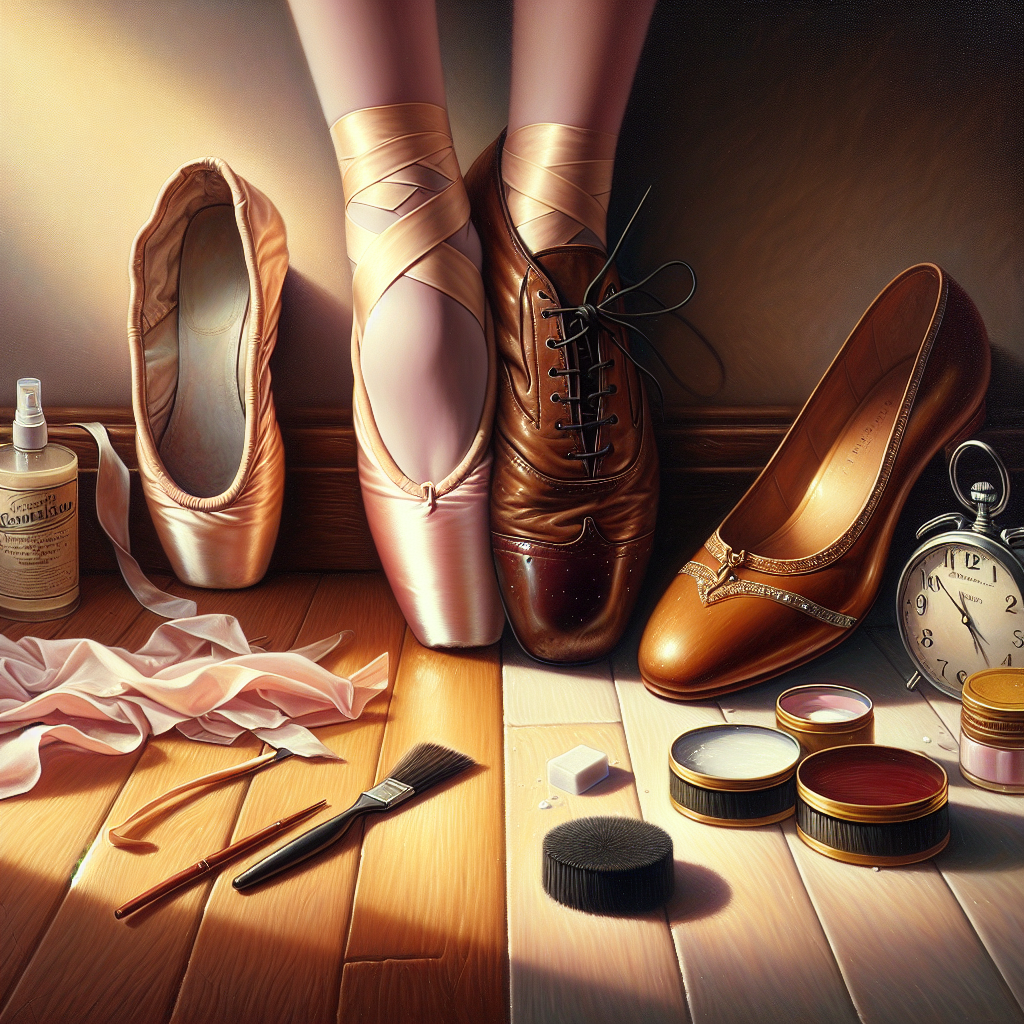
2. Ballet: Pointe Shoes and Ballet Flats
For ballet dancers, shoes are a critical component of their craft. Pointe shoes are designed for advanced dancers who perform on their toes, providing the necessary support and structure. These shoes have a stiff toe box and shank to support the dancer’s body weight.
Ballet flats, on the other hand, are soft, flexible shoes used by beginners or those practicing basic techniques. Made from leather, canvas, or satin, they allow for a full range of motion.
3. Jazz: Jazz Shoes and Sneakers
Jazz dancing is all about flexibility and smooth movements, which is why jazz shoes are typically lightweight and have a split sole for better arch flexibility. They often come with a small heel for added lift and support.
Jazz sneakers are another option, providing more cushioning and support, especially for dancers who incorporate athletic moves into their routines.
4. Tap: Tap Shoes
Tap shoes are unique in that they create sound as you dance. They have metal plates on the heel and toe, which amplify the dancer’s rhythm and timing. When selecting tap shoes, ensure they fit snugly to prevent slipping and allow for precise sound control.
5. Ballroom: Ballroom Dance Shoes
Ballroom dancers need shoes that are both elegant and functional. For men, ballroom shoes typically have a low heel and a suede sole for smooth gliding. Women’s ballroom shoes often have higher heels and straps for a secure fit.
The key is in the sole—suede provides the right amount of slide and grip, essential for the varied movements in ballroom dance.
6. Latin: Salsa and Tango Shoes
Latin dances such as salsa and tango require shoes that allow quick, intricate footwork. Salsa shoes usually have a flexible sole and a higher heel, which helps with spinning and quick direction changes.
Tango shoes often have a similar design but with additional ankle support to accommodate the dance’s dramatic movements.
7. Hip-Hop: Sneakers and Street Shoes
Hip-hop dancers need footwear that can handle high-impact moves while providing comfort and style. Sneakers are the go-to choice, offering the necessary cushioning and support.
Choose sneakers with a flexible sole and good traction to prevent slipping during intense routines.
8. Conclusion
Choosing the right footwear is crucial for any dancer, as it can significantly impact performance and safety. Whether you’re a beginner or a seasoned performer, investing in quality dance shoes tailored to your style will enhance your experience and allow you to express yourself through movement more effectively. Happy dancing! 🎶👟
9. FAQs
Q: How often should I replace my dance shoes?
A: It depends on the style and frequency of use. Ballet dancers may need to replace pointe shoes every few months, while ballroom shoes can last longer with proper care. Regularly inspect your shoes for wear and replace them when they lose support or flexibility.
Q: Can I use regular shoes for dancing?
A: While you can use regular shoes for casual dancing, specialized dance shoes provide the support, flexibility, and grip necessary for specific dance styles, reducing the risk of injury.
Q: How do I care for my dance shoes?
A: Keep them dry, store them in a breathable bag, and clean them according to the material. Avoid wearing them outdoors to preserve the sole and structure.
Remember, the right dance shoes are an investment in your passion. Choose wisely and dance with confidence! 🌟🩰