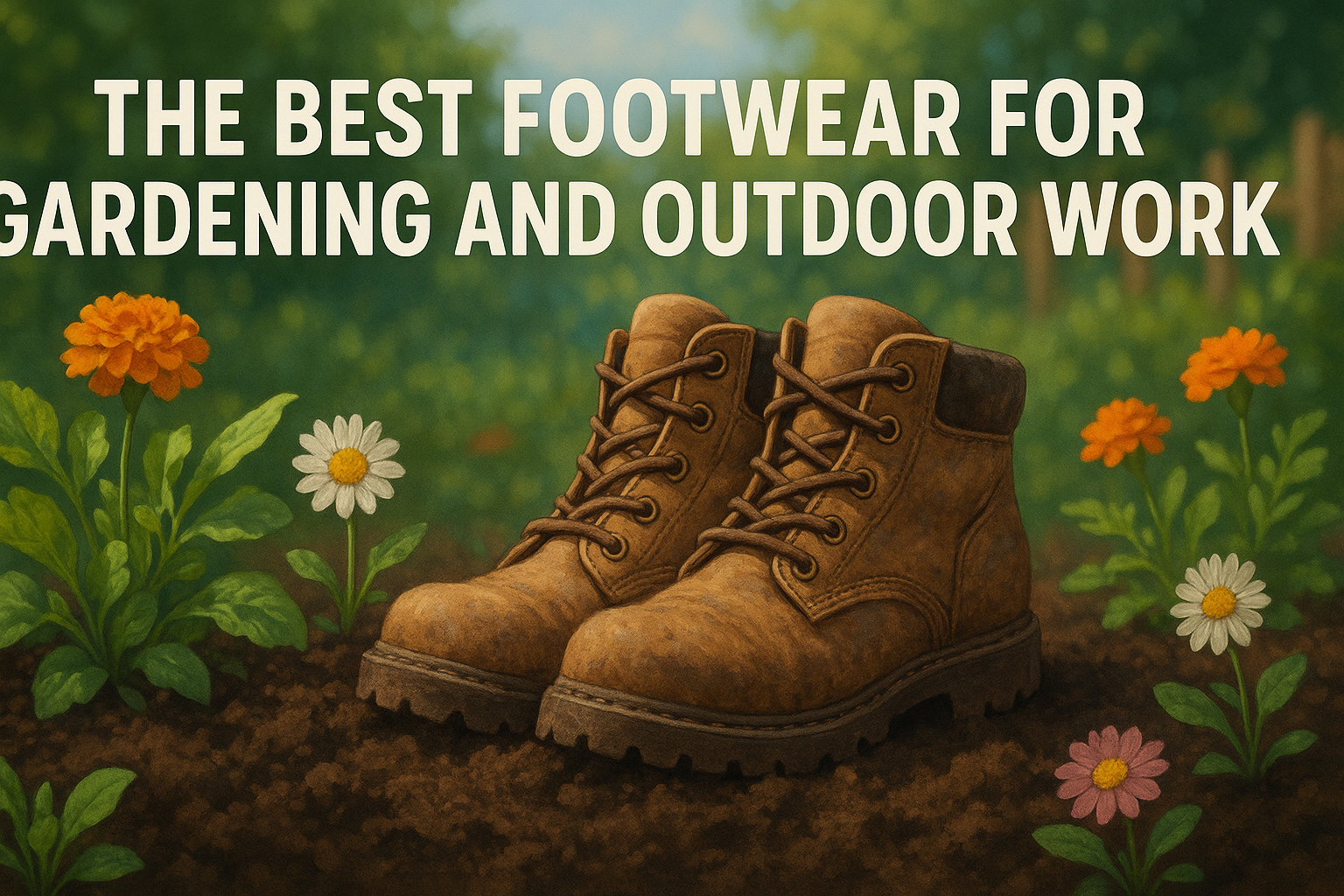
The Best Footwear for Gardening and Outdoor Work
When it comes to gardening and outdoor work, the right footwear can make all the difference. Not only does it provide comfort, but it also offers protection and enhances your performance. Whether you’re planting roses 🌹 or building a fence, the right pair of shoes or boots is essential. In this blog, we’ll explore the best footwear options for gardening and outdoor tasks, ensuring you stay comfortable and safe.
Table of Contents
1. Introduction
2. Why Proper Footwear Matters
3. Key Features to Look for in Gardening Footwear
4. Top Footwear Options for Gardening and Outdoor Work
5. Maintenance Tips for Your Outdoor Footwear
6. Conclusion
7. FAQs
Why Proper Footwear Matters
Before diving into specific footwear options, let’s discuss why wearing the proper footwear is crucial for gardening and outdoor work. First and foremost, good footwear provides essential support and protection for your feet. It can prevent injuries, such as cuts, bruises, and even fractures, which are common when working with sharp tools or heavy materials.
Moreover, appropriate footwear can enhance your efficiency. With the right grip and stability, you’ll move more confidently and work faster. And let’s not forget comfort. Spending hours on your feet can take a toll on your body, but with the right shoes, you’ll minimize fatigue and discomfort.
Key Features to Look for in Gardening Footwear
When choosing footwear for gardening and outdoor work, consider the following key features:
1. Waterproofing
Gardening often involves working in wet conditions. Waterproof shoes or boots will keep your feet dry and comfortable, preventing blisters and other discomforts.
2. Durability
Look for materials that can withstand the wear and tear of outdoor activities. Leather, rubber, and high-quality synthetics are excellent choices for durable footwear.
3. Comfort and Fit
Comfort is paramount. Choose shoes that fit well and provide ample cushioning. Consider shoes with breathable linings to keep your feet cool and dry.
4. Traction
Traction is crucial for stability, especially when working on uneven or slippery surfaces. Opt for footwear with non-slip soles to prevent accidents.
Top Footwear Options for Gardening and Outdoor Work
1. Garden Clogs
Garden clogs are a popular choice for many gardening enthusiasts. They’re easy to slip on and off and typically made from waterproof materials. Plus, their open-back design allows for airflow, keeping your feet cool.
2. Rubber Boots
Rubber boots are a classic option, especially for muddy or wet conditions. They offer excellent waterproofing and are available in various lengths to provide optimal protection.
3. Hiking Boots
For heavy-duty outdoor work, hiking boots are a great choice. They provide excellent support, durability, and traction, making them ideal for more demanding tasks.
4. Steel-Toe Boots
If safety is a primary concern, consider steel-toe boots. These boots offer extra protection for your toes, which is especially important when working with heavy or sharp tools.
Maintenance Tips for Your Outdoor Footwear
Proper maintenance can extend the life of your footwear and keep it performing at its best:
1. Clean Regularly
Remove dirt and debris after each use to prevent material degradation. Use a soft brush and mild soap for cleaning.
2. Dry Thoroughly
After use, allow your footwear to dry completely, especially if they got wet. Avoid direct heat sources as they can damage the materials.
3. Store Properly
Store your footwear in a cool, dry place. Use shoe trees or stuff them with newspaper to maintain their shape.
Conclusion
Choosing the right footwear for gardening and outdoor work is crucial for safety, comfort, and efficiency. Whether you prefer clogs for their convenience or hiking boots for their support, there’s an option out there that fits your needs. Remember to consider key features like waterproofing, durability, and traction when making your choice. With the right footwear, you’ll be ready to tackle any outdoor challenge with confidence and ease.
FAQs
Q1: What is the best material for gardening shoes?
A: Waterproof materials like rubber and high-quality synthetics are ideal for gardening shoes due to their durability and moisture resistance.
Q2: Are steel-toe boots necessary for gardening?
A: While not necessary for all gardening tasks, steel-toe boots are recommended for activities involving heavy tools or materials for added safety.
Q3: How often should I replace my gardening shoes?
A: Replace your gardening shoes when they show signs of significant wear, such as worn-out soles or compromised waterproofing, typically every 1-2 years depending on usage.
Ready to step into your garden with confidence? Choose the right footwear and enjoy your outdoor adventures! 🌿👢