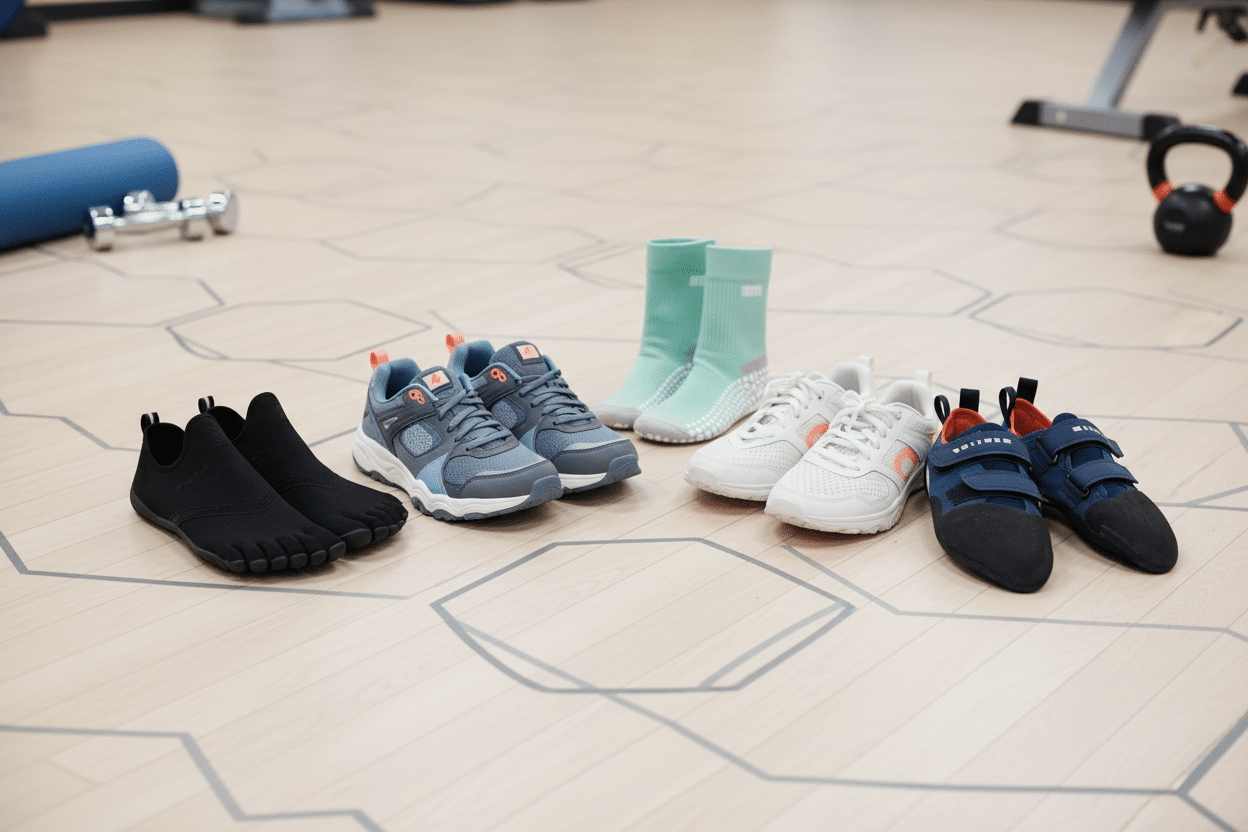
The Best Footwear for Indoor Training: Your Ultimate Guide to Workout Shoes 👟
Table of Contents
1. Introduction: Why Your Indoor Training Shoes Matter
2. Key Features to Look for in Indoor Training Footwear
3. Top Categories of Indoor Training Shoes
4. Best Indoor Training Shoes by Workout Type
5. How to Choose the Right Size and Fit
6. Maintenance Tips for Your Indoor Training Shoes
7. Budget-Friendly vs. Premium Options
8. Common Mistakes to Avoid
9. Conclusion
10. Frequently Asked Questions
Introduction: Why Your Indoor Training Shoes Matter 🏋️♀️
I’ll be honest with you – I used to think any old sneakers would do for my home workouts. Boy, was I wrong! After dealing with sore feet, poor performance, and even a minor injury from wearing the wrong shoes during a HIIT session, I learned the hard way that choosing the right indoor training footwear is absolutely crucial.
Whether you’re crushing it in your home gym, attending virtual fitness classes, or hitting the local indoor sports facility, your feet are your foundation. The right pair of indoor training shoes can make the difference between a fantastic workout and a frustrating experience filled with discomfort and potential injury.
In this comprehensive guide, we’ll explore everything you need to know about selecting the perfect indoor training footwear. From understanding the key features that matter most to discovering the best shoes for specific workout types, you’ll have all the information needed to make an informed decision that’ll keep your feet happy and your performance at its peak.
Key Features to Look for in Indoor Training Footwear 🔍
When shopping for the best indoor training shoes, certain features can make or break your workout experience. Let me walk you through the most important characteristics that separate great indoor training footwear from mediocre options.
Superior Grip and Traction: Indoor surfaces can be tricky. Whether you’re dealing with polished gym floors, yoga mats, or your living room hardwood, you need shoes that provide excellent grip without being too sticky. Look for rubber outsoles with multidirectional tread patterns that offer stability during lateral movements, jumps, and quick direction changes.
Breathability and Moisture Management: Indoor training often means less airflow than outdoor activities, making breathability essential. Mesh uppers, moisture-wicking linings, and ventilation panels help keep your feet dry and comfortable throughout intense sessions. Trust me, there’s nothing worse than soggy feet halfway through a workout!
Proper Cushioning and Support: The right amount of cushioning depends on your training style. High-impact activities like plyometrics need more heel cushioning, while weightlifting requires minimal, firm cushioning for better ground connection. Arch support is crucial for preventing fatigue and maintaining proper foot alignment during longer sessions.
Flexibility and Range of Motion: Your indoor training shoes should move with your feet, not against them. Look for flexible forefoot construction that allows natural toe movement and bending. This is especially important for activities involving squats, lunges, and dynamic stretching.
Top Categories of Indoor Training Shoes 👟
Understanding the different categories of indoor training footwear helps narrow down your options based on your primary activities. Each type is designed with specific movements and surfaces in mind.
Cross-Training Shoes: These versatile performers are the Swiss Army knives of indoor training footwear. They’re designed to handle multiple activities reasonably well, making them perfect for circuit training, general fitness classes, and varied workout routines. Cross-trainers typically offer moderate cushioning, good lateral support, and durable construction.
Weightlifting Shoes: If serious strength training is your focus, dedicated weightlifting shoes are game-changers. They feature firm, non-compressible soles that provide excellent stability and power transfer. Many have elevated heels that improve squat depth and ankle mobility. While they’re not ideal for cardio, they’re unbeatable for heavy lifting sessions.
Minimalist Training Shoes: These low-profile options promote natural foot movement and ground feel. They’re excellent for functional fitness, bodyweight exercises, and activities where you want maximum proprioception. However, they offer minimal cushioning, so they’re not suitable for high-impact activities.
Dance and Aerobics Shoes: Specifically designed for studio activities, these shoes often feature pivot points on the sole for smooth turns and spins. They typically have more flexible construction and lighter weight compared to traditional training shoes.
Best Indoor Training Shoes by Workout Type 🎯
Different workouts demand different features from your footwear. Here’s my breakdown of the best shoe types for popular indoor training activities, based on years of experience and extensive research.
HIIT and Circuit Training: For high-intensity interval training, you need shoes that can handle everything from burpees to mountain climbers. Look for cross-trainers with excellent lateral support, responsive cushioning, and superior grip. The Nike Metcon series and Reebok Nano line are popular choices that consistently deliver in these demanding workouts.
Yoga and Pilates: These low-impact activities benefit from minimal, flexible footwear that allows natural foot movement. Many practitioners prefer going barefoot, but if you need shoes, consider minimalist trainers or specialized yoga shoes with non-slip soles. Some studios require specific footwear, so check beforehand.
Strength Training and Powerlifting: Serious lifters need stable, firm-soled shoes that won’t compress under heavy loads. Weightlifting shoes with raised heels are ideal for Olympic lifts and deep squats, while flat-soled shoes like Converse Chuck Taylors work well for deadlifts and general strength training.
Indoor Cycling and Spinning: While many indoor cycling enthusiasts use clipless pedal systems with specialized cycling shoes, regular training shoes work fine for casual riders. Look for shoes with stiff soles to improve power transfer and breathable uppers to manage heat buildup during intense sessions.
Dance Fitness and Zumba: These activities involve lots of pivoting, sliding, and quick direction changes. Dance sneakers or cross-trainers with pivot points and flexible construction work best. Avoid shoes with too much grip, as they can cause knee strain during turns.
How to Choose the Right Size and Fit 📏
Getting the right fit is absolutely critical for indoor training shoes. I’ve seen too many people struggle with blisters, hot spots, and poor performance simply because they chose the wrong size or ignored important fit considerations.
Timing Matters: Shop for training shoes in the afternoon or evening when your feet are naturally slightly swollen, similar to how they’ll be during workouts. This ensures a more accurate fit for actual training conditions.
Leave Room for Movement: You should have about a thumb’s width of space between your longest toe and the shoe’s front. Your feet swell during exercise, and you need room for natural expansion without creating pressure points.
Consider Your Foot Shape: Not all feet are created equal! Some people have wide feet, high arches, or other unique characteristics that affect shoe fit. Many brands offer different width options, and some are known for accommodating specific foot shapes better than others.
Test with Proper Socks: Always try on training shoes while wearing the type of socks you’ll use during workouts. Athletic socks can vary significantly in thickness, which affects overall fit and comfort.
Maintenance Tips for Your Indoor Training Shoes 🧽
Proper care extends the life of your indoor training footwear and maintains their performance characteristics. Here are my tried-and-true maintenance strategies that have kept my shoes in excellent condition for years.
Regular Cleaning: Wipe down your shoes after each use to remove sweat and debris. For deeper cleaning, remove insoles and laces, then use mild soap and water with a soft brush. Avoid harsh chemicals that can break down materials or affect grip.
Proper Drying: Never put training shoes in direct heat or sunlight, as this can warp materials and break down adhesives. Instead, stuff them with newspaper or use shoe trees to maintain shape while air drying in a well-ventilated area.
Rotation Strategy: If you train frequently, consider rotating between two pairs of shoes. This allows each pair to fully dry between uses and extends overall lifespan. It also gives you backup options if one pair needs repair or replacement.
Know When to Replace: Monitor your shoes for signs of excessive wear, including worn tread patterns, compressed cushioning, or structural damage. Most training shoes need replacement every 300-500 hours of use, depending on intensity and surface types.
Budget-Friendly vs. Premium Options 💰
You don’t need to break the bank to get quality indoor training footwear, but understanding the differences between budget and premium options helps you make informed decisions based on your needs and training frequency.
Budget-Friendly Options ($50-$80): Entry-level training shoes from reputable brands often provide excellent value for casual trainers. While they may lack advanced features like premium cushioning systems or cutting-edge materials, they typically offer solid basic performance for recreational use.
Mid-Range Choices ($80-$120): This sweet spot often provides the best balance of features, durability, and price. You’ll find better materials, improved cushioning systems, and enhanced durability compared to budget options, making them ideal for regular trainers.
Premium Options ($120+): High-end training shoes justify their price with advanced technologies, superior materials, and specialized features. If you train daily or have specific performance requirements, the investment often pays off in comfort, durability, and performance enhancement.
Common Mistakes to Avoid ❌
Learning from others’ mistakes can save you time, money, and frustration. Here are the most common errors I see people make when selecting indoor training footwear.
Using Running Shoes for Everything: While running shoes excel at forward motion, they’re not designed for the lateral movements and varied demands of indoor training. Using them for activities like HIIT or weightlifting can lead to instability and increased injury risk.
Prioritizing Style Over Function: I get it – we all want to look good during workouts. However, choosing shoes based primarily on appearance rather than performance characteristics is a recipe for disappointment and potential problems.
Ignoring Specific Activity Requirements: One size doesn’t fit all when it comes to training shoes. A shoe that’s perfect for yoga might be terrible for weightlifting, and vice versa. Consider your primary activities when making selections.
Buying Without Trying: Online shopping is convenient, but shoes are one item where trying before buying is crucial. Fit can vary significantly between brands and even different models from the same manufacturer.
Conclusion 🎯
Choosing the best footwear for indoor training doesn’t have to be overwhelming. By understanding your specific needs, prioritizing key features like grip, breathability, and appropriate cushioning, and considering your primary activities, you can find shoes that enhance rather than hinder your performance.
Remember that the “best” indoor training shoe is the one that works best for your feet, your activities, and your budget. Don’t get caught up in brand hype or the latest trends – focus on finding shoes that provide the support, comfort, and performance you need to reach your fitness goals.
Invest in quality footwear that matches your training style, take care of them properly, and replace them when necessary. Your feet will thank you, your performance will improve, and you’ll enjoy your indoor training sessions much more. Here’s to happy feet and great workouts! 🏃♀️✨
Frequently Asked Questions ❓
Q: Can I use the same shoes for all types of indoor training?
A: While cross-training shoes offer versatility for multiple activities, specialized shoes often perform better for specific workouts. If you primarily do one type of training, consider activity-specific footwear for optimal performance and injury prevention.
Q: How often should I replace my indoor training shoes?
A: Most training shoes should be replaced every 300-500 hours of use or when you notice significant wear in the tread, compressed cushioning, or structural damage. If you train daily, this typically means replacement every 6-12 months.
Q: Are expensive training shoes always better?
A: Not necessarily. While premium shoes often offer advanced features and materials, the best shoe for you depends on your specific needs, foot shape, and training style. A well-fitting mid-range shoe often outperforms an expensive shoe that doesn’t match your requirements.
Q: Should I wear socks with my indoor training shoes?
A: Yes, wearing appropriate athletic socks helps prevent blisters, manages moisture, and provides additional cushioning. Choose moisture-wicking materials and avoid cotton socks that retain sweat.
Q: Can I wash my training shoes in the washing machine?
A: While some shoes can handle machine washing, it’s generally not recommended as it can damage adhesives, affect fit, and reduce lifespan. Hand cleaning with mild soap and water is usually the safest approach.
Q: What’s the difference between men’s and women’s training shoes?
A: Women’s shoes are typically designed with different proportions to accommodate narrower heels, different arch placements, and varying foot shapes. However, the most important factor is finding the right fit regardless of the designated gender category.