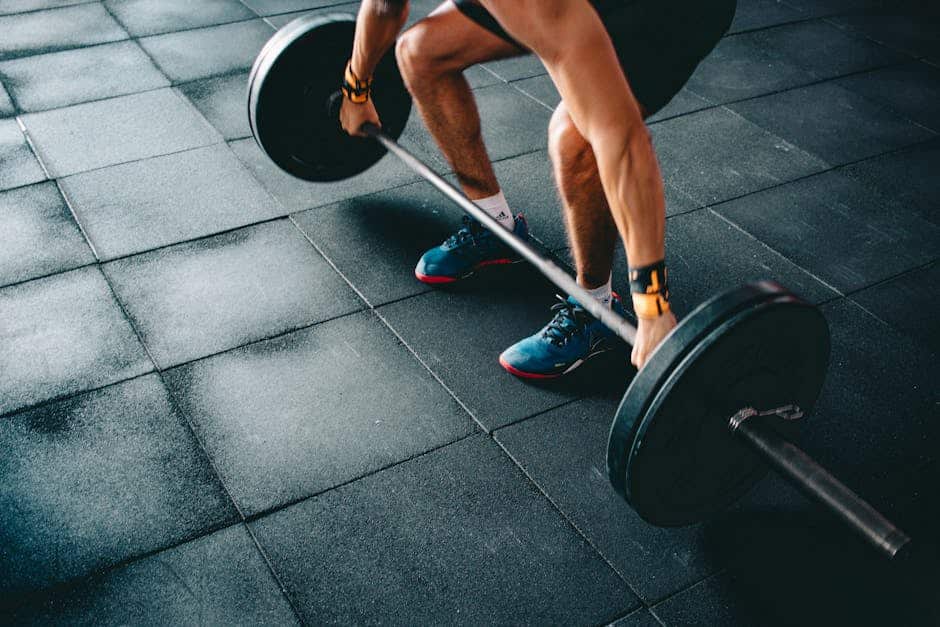
The Best Footwear for Weightlifting and Gym Workouts
Choosing the right footwear for your weightlifting and gym workouts can make a significant difference in your performance and safety. The right pair can enhance your stability, provide the necessary support, and even prevent injuries. In this blog post, we’ll explore the best footwear options available for gym enthusiasts, focusing on features, benefits, and what to look for when making your purchase. Let’s step up your gym game! 🏋️♂️👟
Table of Contents
1. The Importance of the Right Footwear
2. Features of Ideal Gym Footwear
3. Top Footwear Options for Weightlifting
4. Best Footwear for Cardio and Agility Workouts
5. Conclusion
6. FAQs
The Importance of the Right Footwear
When it comes to gym workouts, your footwear is more than just a fashion statement. The right shoes can help improve your posture, balance, and even the effectiveness of your exercises. Whether you’re lifting heavy weights or engaging in high-intensity cardio, the correct shoes will provide the support and protection your feet need. Let’s delve into why choosing the right footwear matters.
Firstly, wearing the wrong shoes can lead to discomfort and increase the risk of injuries. For example, running shoes, which are designed for forward movement, might not offer the lateral support needed for weightlifting. Additionally, the right footwear can enhance your performance by providing a stable base, especially crucial when lifting weights. A solid foundation ensures that you can lift with confidence and power, reducing the risk of slips or missteps.
Features of Ideal Gym Footwear
Before making a purchase, it’s essential to know what features to look for in gym footwear. Here are some key aspects to consider:
1. Support and Stability: Look for shoes that offer substantial support around the heel and arch. Stability is crucial for weightlifting and exercises that require balance.
2. Flat Soles: A flat sole provides a stable surface, which is particularly beneficial for weightlifting. It allows for better weight distribution and improved posture.
3. Durability: Gym workouts can be tough on shoes, so choose footwear made from durable materials that can withstand the wear and tear of regular exercise.
4. Breathability: Opt for shoes with breathable materials to keep your feet cool and comfortable throughout your workout.
Top Footwear Options for Weightlifting
When it comes to weightlifting, certain shoes stand out due to their design and functionality. Here are some of the top picks:
1. Nike Romaleos: Known for their exceptional stability and support, these shoes are a favorite among serious lifters. The Romaleos offer a firm heel and a wide base, perfect for heavy lifting.
2. Adidas Powerlift: With a slightly raised heel, these shoes help improve squat depth and leverage. They’re durable and offer a snug fit, ensuring your feet stay secure during lifts.
3. Reebok Legacy Lifter: These shoes come with a dual-external heel counter for optimal stability. They provide excellent grip and a comfortable fit, making them ideal for all types of lifts.
Best Footwear for Cardio and Agility Workouts
For those who engage in cardio or agility workouts, different footwear features are necessary. Here are some top choices:
1. Nike Metcon: These versatile shoes are great for a variety of exercises, from running to HIIT workouts. They offer flexibility and support, adapting to different movements with ease.
2. Reebok Nano: Known for their durability and flexibility, the Nanos are perfect for high-intensity workouts. They provide a stable base without sacrificing comfort.
3. Asics Gel-Kayano: These shoes are excellent for those who incorporate running into their routine. They offer superior cushioning and support, reducing the impact on joints during runs.
Conclusion
Choosing the right footwear for your gym workouts can significantly impact your performance and safety. Whether you’re a seasoned lifter or someone who loves a good cardio session, the right pair of shoes will provide the support and comfort you need to excel. Remember to consider the key features that align with your workout type and personal preferences. Happy lifting and training! 💪
FAQs
Q: Can I use running shoes for weightlifting?
A: While running shoes are great for cardio, they often lack the stability and support needed for weightlifting. Opt for shoes specifically designed for lifting to ensure safety and performance.
Q: How often should I replace my gym shoes?
A: It depends on the frequency and intensity of your workouts. On average, replacing your gym shoes every 6 to 12 months is recommended to maintain optimal support and cushioning.
Q: Are expensive gym shoes worth it?
A: Investing in quality gym shoes can be worthwhile as they often provide better support, durability, and comfort, potentially preventing injuries and enhancing your workout experience.