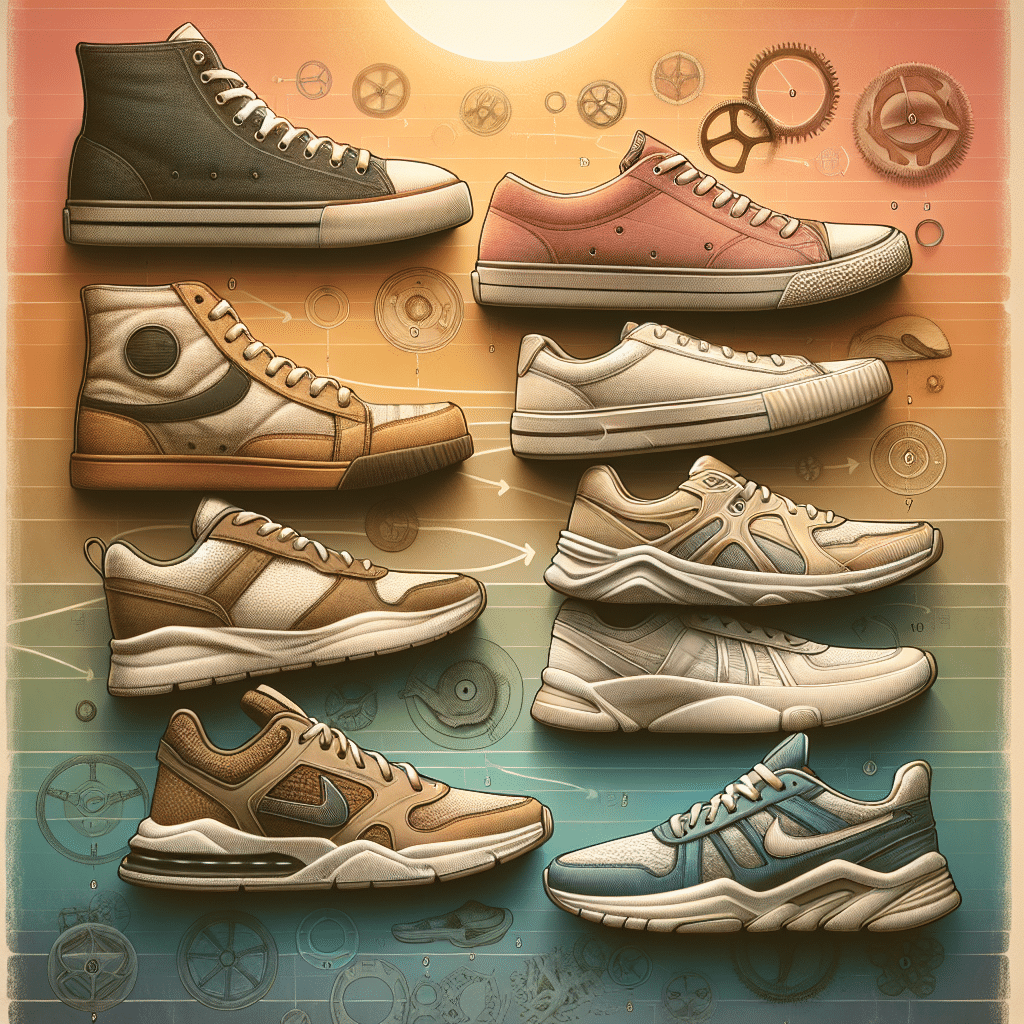
The History of Sneakers: From Utility to Fashion Statements
Sneakers have become an integral part of our daily lives, effortlessly blending comfort, style, and function. But how did these practical shoes evolve into coveted fashion statements? Let’s take a journey through the fascinating history of sneakers, from their humble beginnings to their current status as cultural icons.
Table of Contents
1. Early Beginnings: Function Over Fashion
2. The Rise of Athletic Brands
3. Sneakers in Pop Culture
4. Modern Sneaker Culture
5. Sneakers as Sustainable Fashion
6. Conclusion
7. FAQs
Early Beginnings: Function Over Fashion
The origin of sneakers dates back to the late 19th century. Initially known as plimsolls, these rubber-soled shoes were designed for athletic purposes, providing grip and comfort. The term “sneaker” emerged because the rubber sole allowed wearers to walk quietly, or “sneak,” up on someone. 👟
In the early 20th century, sneakers were primarily worn by athletes and were considered a luxury due to the cost of production. The focus was on utility, with little emphasis on style. However, as more people began engaging in sports and fitness, the demand for comfortable footwear surged.
The Rise of Athletic Brands
The 1920s and 1930s marked a significant shift with the emergence of iconic brands like Converse and Adidas. Converse introduced the Chuck Taylor All-Star in 1917, a shoe that would become a staple on basketball courts and beyond. Meanwhile, Adidas was founded in 1949 by Adi Dassler, revolutionizing the industry with innovative designs and technologies.
As professional sports gained prominence, companies recognized the marketing potential of athlete endorsements. This era saw athletes like Jesse Owens and later, Michael Jordan, influencing sneaker design and popularity. The Air Jordan line, launched in 1984, is a testament to the powerful intersection of sports and fashion. 🏀
Sneakers in Pop Culture
By the 1980s, sneakers transcended their athletic roots, becoming symbols of identity and self-expression. Hip-hop culture played a pivotal role in this transformation, with artists like Run-D.M.C. championing the sneaker as a fashion statement. Their song “My Adidas” celebrated the brand and marked a new era of sneaker culture in music and street fashion.
Movies and television also contributed to the sneaker craze. Iconic films like “Back to the Future” featured futuristic sneaker designs, further embedding these shoes into the cultural zeitgeist. 🎥
Modern Sneaker Culture
Today, sneakers are more than just shoes; they are cultural artifacts. The advent of social media and the internet has amplified sneaker culture, with enthusiasts eagerly anticipating new releases and limited editions. Sneaker conventions and resale markets have emerged, reflecting the high demand and value placed on rare designs.
Collaborations between brands and high-profile designers or celebrities have further blurred the lines between utility and fashion. Limited-edition releases by brands like Nike and collaborations with figures like Kanye West have driven prices and demand to unprecedented levels. 💥
Sneakers as Sustainable Fashion
Recently, the sneaker industry has pivoted towards sustainability, addressing concerns over environmental impact. Brands are now investing in eco-friendly materials and ethical manufacturing processes. Sneakers made from recycled materials and biodegradable components are becoming increasingly popular, aligning with consumer demand for sustainable fashion. 🌿
Conclusion
From their origins as practical athletic footwear to their current status as fashion essentials, sneakers have undoubtedly come a long way. They have not only transformed the fashion landscape but also mirrored societal changes and technological advancements. As we step into the future, sneakers will continue to evolve, reflecting our values and aspirations.
FAQs
Q: When were sneakers first invented?
A: Sneakers, originally known as plimsolls, were first created in the late 19th century.
Q: Why are they called “sneakers”?
A: The term “sneaker” comes from the quiet, stealthy nature of the rubber sole, allowing the wearer to “sneak” around without making noise.
Q: What role did hip-hop culture play in sneaker history?
A: Hip-hop culture significantly influenced sneaker fashion in the 1980s, popularizing them as symbols of identity and style.
Q: How are sneaker brands addressing sustainability?
A: Many brands are now using eco-friendly materials and focusing on ethical manufacturing processes to reduce environmental impact.