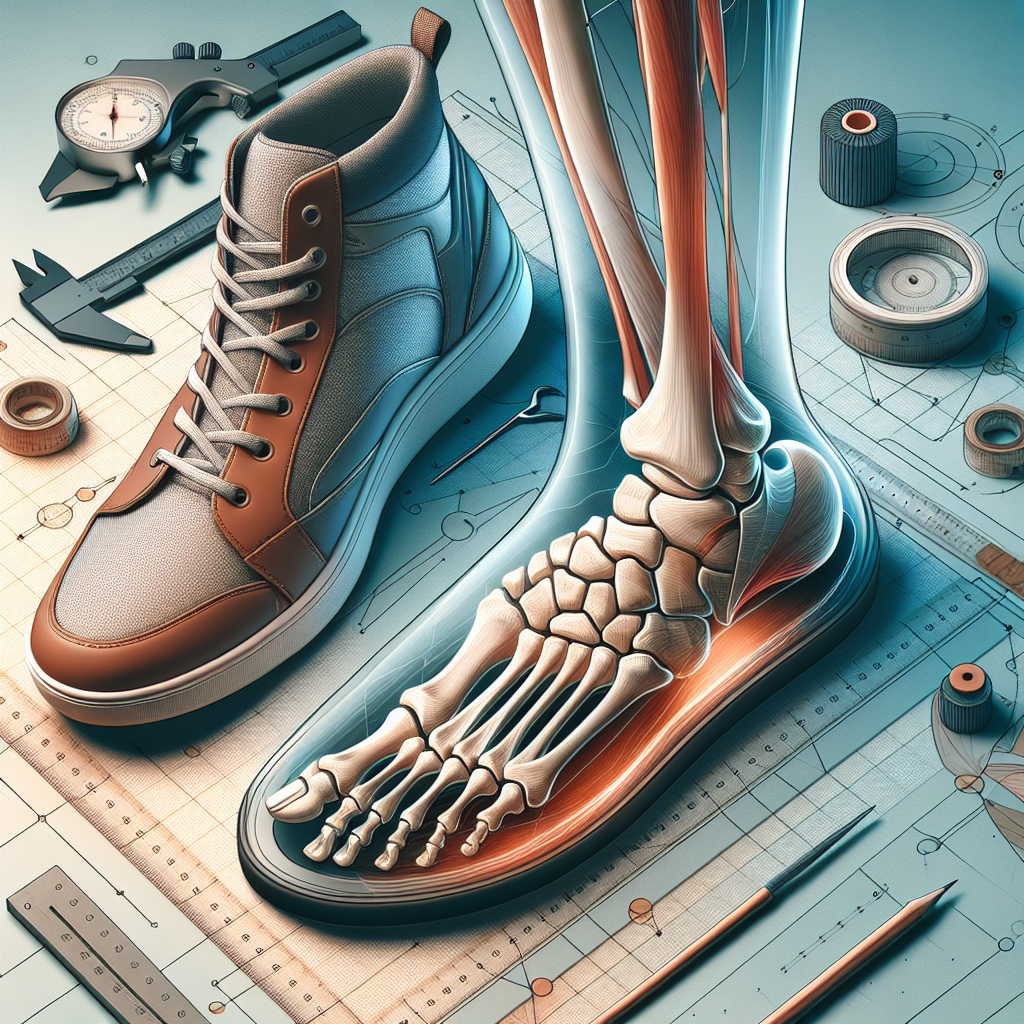
The Science of Footwear Fit: Finding Your Perfect Pair 👟
Finding the perfect pair of shoes isn’t just about style and color; it’s about science, comfort, and health. Whether you’re an athlete, a professional, or someone who spends a lot of time on their feet, the right fit can make all the difference. Let’s delve into the fascinating world of footwear fit and discover how to choose shoes that support your feet perfectly.
Table of Contents
1. Understanding Foot Anatomy
2. The Importance of Proper Fit
3. Common Footwear Fitting Mistakes
4. How to Measure Your Feet Accurately
5. Choosing the Right Shoes for Different Activities
6. The Role of Materials and Design
7. Conclusion
8. FAQs

Understanding Foot Anatomy 🦶
Our feet are intricate structures composed of 26 bones, 33 joints, and more than 100 muscles, tendons, and ligaments. Each foot is unique, with its own shape, arch type, and width. Understanding your own foot anatomy is crucial in finding shoes that fit well. For instance, high arches may require more cushioning, while flat feet might benefit from stability features.
The Importance of Proper Fit ✅
Wearing shoes that fit correctly is essential for foot health and overall well-being. Ill-fitting shoes can lead to issues such as blisters, calluses, and even long-term problems like bunions or plantar fasciitis. Moreover, a good fit enhances performance in sports, reduces fatigue, and prevents injuries.
Common Footwear Fitting Mistakes 🚫
Many people make the mistake of buying shoes based solely on size, but size can vary between brands and styles. Other common errors include:
– Ignoring foot width and arch type.
– Choosing shoes that are too tight, hoping they’ll stretch.
– Shopping for shoes in the morning when feet are smaller.
– Not trying on both shoes and walking around before purchasing.
How to Measure Your Feet Accurately 📏
To ensure a good fit, measure your feet at the end of the day when they are at their largest. Here’s how:
1. Stand on a piece of paper and trace your foot.
2. Use a ruler to measure the length and width.
3. Compare your measurements to a shoe size chart.
4. Consider both feet, as they might differ in size.
Remember, the perfect shoe should offer snug support without squeezing your foot.
Choosing the Right Shoes for Different Activities 🏃♂️
Different activities demand different types of footwear. Here’s a quick guide:
– **Running Shoes**: Look for lightweight options with good cushioning and support.
– **Walking Shoes**: These should offer stability and a comfortable fit.
– **Hiking Boots**: Go for durable materials with excellent grip and ankle support.
– **Formal Shoes**: Prioritize comfort and a snug fit over style alone.
The Role of Materials and Design 🎨
The materials and design of a shoe can significantly affect its fit and comfort. Leather and fabric allow for breathability, while synthetic materials often provide more durability. Additionally, consider design elements like adjustable laces or straps, which can offer a more customized fit.
Conclusion
The science of footwear fit is a blend of anatomy, comfort, and personal preference. By understanding your feet and knowing what to look for, you can find shoes that not only look great but also support your body effectively. Next time you shop for shoes, remember these insights and step out confidently in your perfect pair! 👠👢
FAQs
Q: How often should I measure my feet?
A: It’s a good idea to measure your feet once a year, as foot size can change over time due to weight fluctuations, aging, and other factors.
Q: Can wearing the wrong size shoe damage my feet?
A: Yes, consistently wearing too small or too large shoes can lead to foot problems, such as bunions, hammertoes, and chronic pain.
Q: What’s the best time of day to buy shoes?
A: The best time to try on shoes is in the late afternoon or evening, as your feet are at their largest then.
Q: Do expensive shoes fit better?
A: Not necessarily. While some expensive shoes may offer better materials and craftsmanship, the most important factor is finding a pair that fits well and supports your foot type.